
cropper
The Project Controls Daily
  • Home
  • Categories
    • Cost Management
    • Schedule Management
    • Risk Management
    • Technology & Software
    • Certification & Career Development
    • ESG & Sustainable projects
    • Best Practices & Case Studies
    • Regulatory & Compliance
    • Leadership & Management
    • News & Trends
October 15.2026
3 Minutes Read

Skanska's $418 Million Education Projects: Strong Investments in the Future

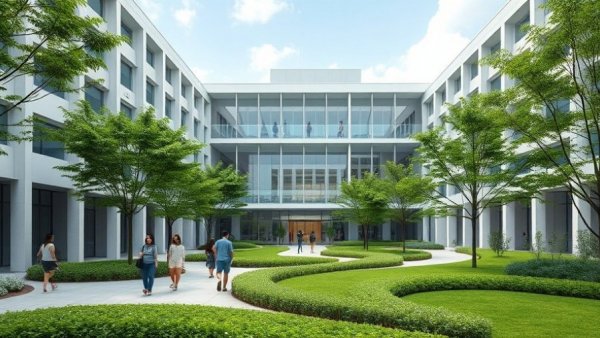
Modern building on a lush campus, Skanska educational projects

Skanska’s Recent Education Wins: A Strategic Move

Sweden-based contractor Skanska is clarifying its position in the education sector with a trio of substantial project contracts valued at an impressive $351 million and an additional project worth $67 million. This strategic focus on educational facilities aligns with their ambition to enhance infrastructure while contributing to local community development. This article explores the implications of these projects on both the communities involved and the advancement of educational infrastructure.

University of Mary Washington: A Renaissance in Fine Arts

Skanska's recent contract with the University of Mary Washington is particularly noteworthy. The $163 million project not only encompasses the construction of a new multistory theater with a seating capacity of 293 but also involves significant renovations to existing fine arts facilities. With a total area covering around 82,000 square feet of renovations and a new addition of 8,950 square feet, completion is projected for February 2030, emphasizing a long-term commitment to elevating the artistic community within Fredericksburg, Virginia.

Building Futures: High School Expansion in Renton

Furthering their educational footprint, Skanska has secured a $110 million contract with the Renton School District in Washington. This project involves constructing a new high school that will provide classroom capacity for 1,600 students. The inclusion of specialized learning environments, a library, gymnasiums, and lighted sports fields demonstrates a significant investment in student resources and community facilities. Anticipating completion by fall 2029, this project exemplifies a growing trend in educational development that prioritizes both academic and extracurricular engagement, essential for student success.

Innovating Education: The Sumner High School Project

Skanska’s involvement in the ongoing expansion project at Sumner High School highlights the contractor's dynamic approach to education-related developments. Recently commencing Phase 2, which is valued at $67.1 million, Skanska's expansion plans include innovative classrooms designed for career and technical education, alongside further facilities such as robotics and culinary arts programs. This renovation not only modernizes the 1911 building but also caters to diverse learning needs, positioning the school at the forefront of educational innovation. The proposed timeline for the second phase aims for completion by fall 2028, further illustrating Skanska's commitment to long-lasting educational improvements.

The Impact of Educational Infrastructure on Communities

Building and enhancing educational infrastructure holds significant societal benefits. Research indicates that upgraded educational facilities can lead to better learning outcomes, which is why Skanska’s projects are pivotal. As schools evolve to meet the demands of contemporary education, investments in construction not only provide immediate employment opportunities but also foster long-term engagement in communities. Improved facilities can bridge gaps in educational access and foster a more conducive learning environment.

Conclusion: A Focus on Educational Development

Skanska’s substantial contracts in the education sector – from universities to secondary schools – showcase a strategic commitment to enhancing educational infrastructure across the United States. These projects not only promise to reshape physical spaces but also have the potential to positively impact the communities they serve. As professionals involved in project management and construction, staying informed about these trends can help us better anticipate the future of education-related developments.

Ultimately, the shift towards creating dynamic learning environments highlights the importance of collaboration between contractors, educational institutions, and communities. As the landscape of education evolves, professionals in the construction industry must recognize their role in shaping the future of learning through innovative and sustainable projects.
News & Trends

9 Views

0 Comments

Write A Comment

*
*
Please complete the captcha to submit your comment.
Related Posts All Posts
11.13.2026

Gilbane's $114 Million Project at Kodiak Coast Guard: Crucial Infrastructure Upgrade

Update Gilbane's Major Win: A $114 Million Chance to Modernize Gilbane Federal is set to significantly enhance the water distribution infrastructure at the U.S. Coast Guard's Base Kodiak in Alaska, having secured a contract worth $114 million. This base, which stands as the Coast Guard's largest operational installation, will benefit from extensive upgrades aimed to improve water delivery and fire suppression systems. As part of the project, Gilbane will replace over 8 miles of water distribution lines and upgrade four large-scale storage tanks. Such modernization is crucial not only for operational efficacy but also for the safety and well-being of service members and their families stationed there. Understanding the Infrastructure Investment The funding for this significant infrastructure enhancement comes from the One Big Beautiful Bill Act, a federal initiative aimed at bolstering defense-related construction projects. This act has provided the Coast Guard with $25 billion, enabling it to invest in new assets and capabilities, including comprehensive improvements to shore facilities. Besides the water infrastructure upgrades, Base Kodiak is also seeing the construction of a new fuel pier and housing units for families, further illustrating the expansive scope of investment being made to support military families and operational capabilities. A Stark Reminder of the Coast Guard's Strategic Value Base Kodiak isn't just any military installation; it plays a pivotal role in U.S. maritime security. As the designated future home port for two anticipated Arctic Security Cutters, Base Kodiak is central to safeguarding critical shipping lanes and energy resources in polar regions. Rear Adm. Jon Hickey emphasized this strategic importance when stating that the $114 million investment aligns with objectives for expanding the Coast Guard’s polar fleet and maintaining mission readiness. Broader Implications for Infrastructure Projects This ongoing project at Base Kodiak reflects broader trends in defense construction. Across the nation, improvements are being implemented in various facilities, including a $173.7 million modernization project in Seattle and major upgrades in Cape May, New Jersey, and Charleston, South Carolina, totaling $612 million. Such developments not only enhance the Coast Guard's operational efficiency but also signify a reinforced commitment by the federal government to invest in supporting military readiness. Key Takeaways for Project Managers For professionals involved in project management and construction, this monumental upgrade at Base Kodiak serves multiple lessons. The investment underscores the importance of adapting infrastructure to meet evolving operational needs and the benefits of secure funding channels—like those provided by federal legislation. Furthermore, the collaborative effort required for such expansive projects, which involves complex coordination among contractors and agencies, highlights the need for effective project control methodologies. Conclusion The $114 million contract awarded to Gilbane Federal is just one example of how infrastructure improvements are fostered by legislative backing and strategic planning. Project control managers, cost engineers, and other professionals should closely monitor these developments as they represent burgeoning opportunities and challenges in the field of military infrastructure. As the Coast Guard continues to modernize its facilities, the lessons learned will undoubtedly have implications for future projects across various sectors.

11.13.2026

Gilbane’s $114 Million Contract: Infrastructure Upgrade at Kodiak Coast Guard Base

Update Gilbane’s Major Step in Water Infrastructure: What It Means for Kodiak Gilbane Federal has secured a landmark contract worth $114 million to revamp the water distribution system at the U.S. Coast Guard Base Kodiak in Alaska. This endeavor represents a significant investment in modernizing vital infrastructure at the Coast Guard’s largest operational installation. With more than 8 miles of water distribution lines set to be replaced and four large storage tanks upgraded, the project is aimed at enhancing both water delivery and fire suppression capabilities—all crucial for the operational readiness of equipment and personnel stationed at Kodiak. This upgrade is particularly significant given the harsh environmental conditions the Coast Guard frequently operates in, where reliable water access can be a matter of safety. Importance of Kodiak Base in Defense Operations The U.S. Coast Guard Base Kodiak is not just another military installation; it holds strategic value. As the future home for two Arctic Security Cutters—key components of the Coast Guard's icebreaker fleet responsible for safeguarding crucial shipping lanes and energy resources—its modernization underscores the urgency of Sustainable Development Goals in military settings. Rear Adm. Jon Hickey has emphasized that this investment in water and fire-suppression infrastructure is critical for expanding operational missions and supporting the personnel and families living on the base. Given that Kodiak serves as a base for Arctic operations, the improvements will directly aid mission readiness and enhance security operations in vital shipping lanes. Funding and Support: The One Big Beautiful Bill Act The funding for this substantial project originates from the One Big Beautiful Bill Act, which allocates $25 billion specifically for defense-related construction. Experts are optimistic that such funding avenues will continue channeling resources into necessary military enhancements. Gilbane's previous experience dealing with similar projects positions them well to manage this undertaking with efficiency and reliability. This act signals a renewed commitment from the U.S. government to bolster defense infrastructures, particularly in light of increasing global security threats and the necessity for modernization across military installations nationwide. Complementary Projects Enhancing Base Kodiak While Gilbane's water infrastructure work is indispensable, it isn't the only development underway at Base Kodiak. Other significant projects include the construction of a new fuel pier by Tutor Perini subsidiary Perini Management Services, cargo wharf upgrades designed to support major cutters and icebreakers, and the addition of family housing units and a new child development center. These complementary projects aim not only to improve operational capabilities but also to enhance the quality of life for Coast Guard personnel and their families. By providing better facilities and living conditions, the Coast Guard aims to attract and retain talented service members who are essential for mission success. Future-Proofing Operations with Advanced Technology Gilbane's approach incorporates cutting-edge project management techniques and building information modeling (BIM) to ensure successful project completion. These technologies pave the way for enhanced project efficiency, critical to meeting the complex requirements associated with military projects. The use of sustainable construction practices will also be paramount as the Coast Guard looks to establish itself as a leader in environmentally responsible operations. Additionally, the integration of smart technologies within the water system may lead to better monitoring and resource management, aligning with broader trends in sustainable infrastructure. Looking Forward: What Lies Ahead for Base Kodiak? The modernization of the water system complements broader initiatives to bolster the U.S. Coast Guard’s readiness and capability to operate in Arctic conditions. As military projects proliferate across the nation—like the $173.7 million modernization effort in Seattle and $612 million in upgrades at facilities such as Cape May, New Jersey—Base Kodiak stands poised to become a critical asset in future defense logistics. With increasing global demands on maritime resources, the Coast Guard's improvements are timely, ensuring that they remain functional and equipped for era-specific challenges. The investments being made now will not only ensure infrastructure resilience but also prepare the U.S. Coast Guard for the emerging threats and operational challenges of the future.

11.11.2026

How Trimble's New AI Tools Transform Project Management

Update Unveiling the Future of Construction Management At the recent Dimensions conference held in Las Vegas, Trimble Inc. showcased groundbreaking advancements aimed at enhancing construction project management. With a clear focus on integrating technology, Trimble introduced the WorksManager drone data platform, amplifying capabilities in handling aerial data for civil contractors. This new module enables users to seamlessly upload drone data, including point clouds and LiDAR scans, directly into the cloud. Enhancements to the Trimble Connect Platform Expanding the functionalities of its Trimble Connect platform, Trimble has introduced sophisticated artificial intelligence features that will analyze project documents to help assess contractual risks. By utilizing this AI-driven workflow, project managers can automatically draft potential change orders synced with enterprise resource planning systems. This is a significant shift, as it allows teams to preemptively address potential issues before they escalate, streamlining the decision-making process on projects. AI-Powered Scheduling for Enhanced Efficiency In an era where time and efficiency are paramount, Trimble's new scheduling AI has gained attention for its capability to foresee potential problems on-site. It provides insights into the planning stages of construction activities, optimizing resource allocation and time management while reducing the risks associated with project delays. By integrating domain knowledge from construction specialists, the platform aims to refine workflows for enhanced project success. Competitive Strategies: Closing the Gap in Drone Data Processing With the launch of the WorksManager drone processing software, Trimble positions itself strategically in a highly competitive market dominated by players like Procore’s DroneDeploy and OpenSpace. This innovation promises to streamline aerial data processing, expediting the translation of drone insights into actionable site plans. Elwyn McLachlan, Trimble’s VP of civil construction product and strategy, emphasized that this tool bridges the gap between data collection and ground action, providing a more comprehensive view of job sites that is essential for informed decision-making. Showcasing Autonomous Worksite Technologies The conference not only highlighted software advancements but also featured a demonstration of an autonomous worksite, showcasing technology from Gravis Robotics alongside heavy construction machinery from well-known manufacturers like John Deere. This practical display underscores Trimble's vision of a future where human efforts are complemented by advanced robotics, ultimately enhancing productivity and safety on construction sites. Future Insights: Automation and AI in Construction As construction technology continues to evolve, the integration of AI remains at the forefront. Trimble’s strategy underlines the importance of leveraging technological advancements to mitigate risks and enhance project outcomes. By making data more accessible and actionable, these innovations in the construction field are expected to pave the way for more sustainable and efficient practices, directly impacting how projects are executed and managed. As Trimble continues to invest in software and hardware enhancements, it signifies a broader trend in the industry towards adopting smarter solutions that can adapt to the changing demands of construction management. Mid-to-senior level professionals, from project control managers to risk managers, stand to benefit significantly from these advancements by enhancing their operational efficiencies. In conclusion, Trimble’s announcements reflect a determined effort to harness technology for better project management in construction. As we move forward, these developments will likely set new benchmarks for efficiency and safety in the industry, compelling professionals to adapt and evolve within this dynamic landscape.

WorldPulse News

Write a small description of your business and the core features and benefits of your products.

COMPANY

  • Privacy Policy
  • Terms of Use
  • Advertise
  • Contact Us
  • Menu 5
  • Menu 6

864 535 6456

AVAILABLE FROM 8AM - 5PM

City, State

, ,

ABOUT US

Write a small description of your business and the core features and benefits of your products.

© 2026 CompanyName All Rights Reserved. Address . Contact Us . Terms of Service . Privacy Policy

Terms of Service

Privacy Policy

Core Modal Title

Sorry, no results found

You Might Find These Articles Interesting

T
Please Check Your Email
We Will Be Following Up Shortly
*
*
*