

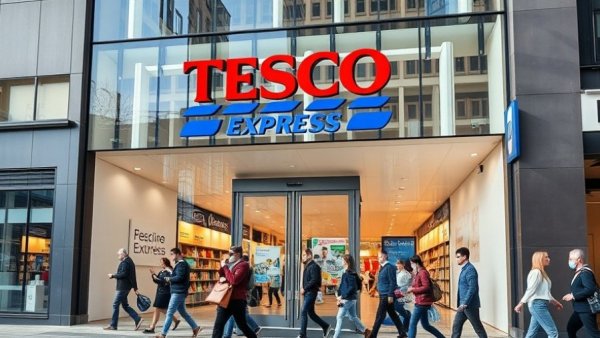
Understanding Tesco's Initiative for Climate Transparency
In a significant move towards sustainability, UK-based grocery giant Tesco recently announced its Climate Supplier Programme, inviting around 400 key suppliers to collaborate on reducing supply chain emissions. This initiative is a part of Tesco's broader strategy to achieve net zero emissions across its entire value chain by 2050. They have partnered with OpenClimat, a Paris-based climate data platform that specializes in providing retailers and manufacturers with tools to standardize and verify greenhouse gas emissions data.
Why Emissions Data Sharing is Essential
Every company, especially in the retail sector, has a role in combating climate change. A major challenge lies in addressing Scope 3 emissions, which include indirect emissions generated through a company's supply chain. This is where Tesco's program flourishes. By focusing on emissions data sharing, Tesco aims to set the stage for transparency. The invited suppliers represent more than 80% of Tesco's grocery supply chain by value in the UK and Republic of Ireland, marking a crucial step towards collaborative climate action.
Benefits for Suppliers: Collaborating for Change
Participating suppliers will not only be involved in filling out initial questionnaires regarding their emissions but will also engage in ongoing collaboration starting February 2027. This engagement phase is designed to empower suppliers with guidance, resources, and opportunities to minimize their carbon footprints. Claire Lorains, Tesco’s Group Quality and Sustainability Director, emphasized that reaching net zero is impossible without collaboration across the supply chain, thereby highlighting the mutual benefits of this initiative.
The Future of Sustainability in Retail
The implications of this initiative extend beyond Tesco and its suppliers. It showcases a promising trend in the retail sector where transparency and accountability in emissions reporting could become the norm. As companies face increasing pressure from consumers and regulators alike to demonstrate their environmental commitments, programs like Tesco’s are likely to inspire similar initiatives across various industries.
Potential Challenges in Implementation
While the initiative has great potential, there are challenges ahead. Not all suppliers may be equipped to provide accurate emissions data, particularly smaller suppliers who might lack the resources for detailed tracking. This discrepancy could lead to inconsistent reporting, which ultimately undermines the program's goals. Tesco must ensure that the resources offered are accessible and tailored to help all suppliers, regardless of size or capacity, successfully participate.
Conclusion: Taking Practical Steps Towards Sustainability
As companies like Tesco lead the charge in their sustainability efforts, other industries should take note of the importance of collaboration to tackle climate change. With robust frameworks for emissions data sharing, organizations can significantly advance their sustainability goals while fostering a culture of transparency. High-ranking professionals in project management and cost engineering have a pivotal role to play in ensuring these initiatives are effectively implemented and monitored.
By staying informed and embracing these opportunities, professionals can contribute not only to their organizations' success but also to the broader goal of a sustainable future. As we witness progressive steps like those taken by Tesco, it is essential for professionals to engage with their suppliers and partners to drive impactful changes.





Write A Comment