

A New Chapter for Philadelphia's Transit Hub
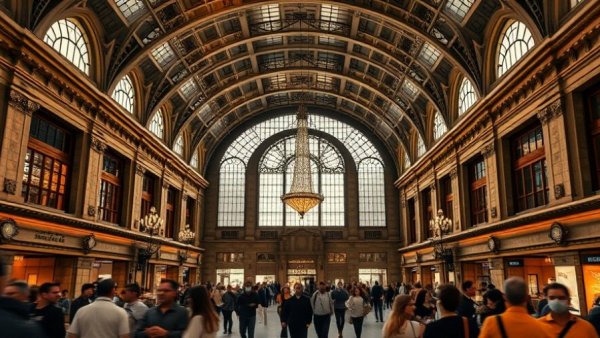
Amtrak recently unveiled its newly renovated concourse at the Philadelphia train station, a pivotal milestone within a broader $550 million upgrade initiative aimed at enhancing passenger experience across the Northeast Corridor. This renovation is a significant commitment to modernizing one of the nation's essential railway terminals, marking a revitalized vision for the future of train travel. Philadelphia's train station has long served as a critical junction for millions of travelers, and its thorough revamp reflects a modern approach to public transportation.
Why This Upgrade Matters
With millions of travelers passing through Philadelphia each year, the need for a more functional, aesthetically pleasing space was apparent. The new concourse is designed to accommodate increased foot traffic, streamline processes, and provide updated amenities that cater to the modern traveler. The enhancements reflect a growing recognition of the vital role that design plays in transit environments, where improving the user experience can significantly impact overall satisfaction. This aligns with national trends towards enhancing public transport infrastructures, focusing on making them more accommodating and user-friendly. With urbanization continuing to grow, cities like Philadelphia are responding to increasing demands from their populations for more efficient and enjoyable travel options.
Innovative Features of the New Concourse
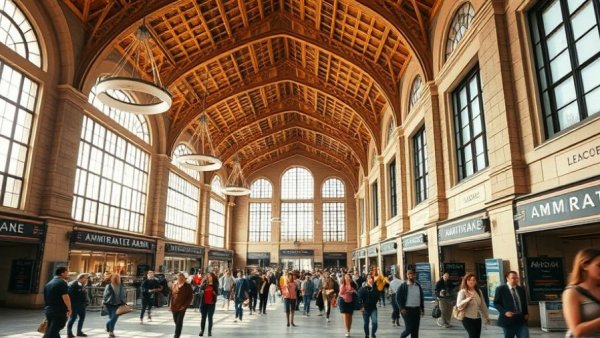
The concourse features expanded waiting areas, high-tech digital signage, and easier access to train platforms, tech-forward enhancements that are increasingly becoming standard in major transit upgrades. These innovations stem from extensive research and planning, showcasing how technology can revolutionize even the most traditional modes of transport. The integration of smart technologies, such as real-time travel updates and interactive kiosks, offers passengers an improved and streamlined experience. Lessons learned from this project can serve as a blueprint for similar upgrades nationwide, particularly for project control managers and cost engineers tasked with optimizing resources and timelines. Notably, features like improved lighting and comfortable seating reflect a concerted effort to create an inviting atmosphere, further enhancing the overall experience for travelers.
The Role of Technology in Construction
As a part of the design-build approach facilitated by Gilbane Building Co., significant advancements in project management software have been employed, enhancing efficiency and cost management. Using innovative methodologies, such as Lean construction practices, has allowed teams to minimize waste while ensuring timely completion. This project serves as a case study in how leveraging Building Information Modeling (BIM) allows for better visualization and planning, ultimately reducing time and budget overruns. Such technology-driven methods are crucial as we aim for more sustainable construction techniques that do not compromise quality. Real-time collaboration tools have further improved communication across various teams and stakeholders, ensuring everyone was aligned throughout the renovation process.
Learning from Philadelphia's Experience
What can industry professionals take away from this project? As they strategize their approaches to upcoming projects, understanding the hurdles overcome in Philadelphia can prove beneficial. For example, effective risk management strategies that anticipate delays and budget fluctuations due to unforeseen circumstances can significantly enhance project outcomes. Incorporating flexible designs and knowing when to utilize modular construction methods may also accelerate timelines and address material shortages. Moreover, post-deployment evaluations will be essential to assess how well the new systems meet user needs and whether further modifications might be necessary. By learning from successes and challenges alike, project managers can better prepare for their future endeavors.
Future Implications for Rail Infrastructure
The investment in this concourse speaks volumes about the future of rail infrastructure in the United States. Such extensive renovations signal a renewed commitment to rail travel as a sustainable option for commuting. As cities continue to prioritize sustainability and connectivity, Amtrak's commitment highlights a growing industry trend towards modern, environmentally conscious design principles in public transit systems. Looking forward, we can expect increased federal and state funding directed towards similar projects, focusing on enhancing commuter experiences while promoting greener travel options. Investment in rail infrastructure is seen as a crucial step toward reducing traffic congestion in urban areas, thereby lessening the environmental impact of commuting.
Conclusion: Opportunities Ahead
As we reflect on the advancements made in Philadelphia, the integration of modern technology and sustainable practices in public transportation projects will become vital. The expertise demonstrated in this renovation not only bolsters Philadelphia's rail system but also sets a standard that other cities may aim to replicate. To all project control managers and engineers, now is the time to leverage these insights into your project's future. The lessons learned from this project will prove invaluable as industries increasingly adopt innovative approaches to infrastructure challenges, driving forward the evolution of transit solutions across the nation.


Write A Comment