

Creating Community-Friendly Data Centers: A Shift in Perspective
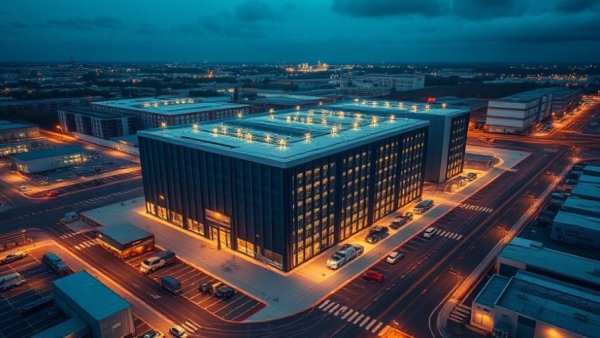
As technology continues to evolve and reshape our landscapes, data centers are transforming from cold, towering structures into community-friendly assets. This shift is underscored by Mihir Nandkeolyar, the solutions architecture chief at Johnson Controls. Through advanced innovations in cooling systems, noise reduction, and heat reuse, these facilities are positioned to address longstanding concerns from local communities. This transformation reflects broader trends in sustainable architecture and urban planning.
Innovative Technologies Driving Change
Modern data centers are at the forefront of technological advancement. Innovative compressors, advanced fan designs, and waterless systems are not just buzzwords; they represent a tangible shift toward sustainability. These technology breakthroughs help mitigate environmental impacts by reducing water usage and energy consumption, which is particularly critical in regions facing water scarcity. In a world grappling with climate challenges, implementing such responsible systems not only benefits the environment but also aligns data centers with community goals, making them more acceptable to local residents.
Noise Reduction and Community Relations
One significant concern from the public regarding data centers has been noise pollution. Traditional cooling systems can be loud, causing disturbances in nearby residential areas and diminishing the quality of life for local inhabitants. Innovations like effective noise attenuation systems are essential in alleviating this concern. Companies like Johnson Controls are prioritizing the design of quieter operations, which can foster better relationships with surrounding communities and local governments. By minimizing noise, data centers can contribute to a more peaceful environment, encouraging towns to view them as partners rather than nuisances.
Heat Reuse: A Win-Win Scenario
Data centers generate a substantial amount of waste heat, which, if not utilized, is effectively lost energy. However, heat reuse initiatives allow this byproduct to be redirected, providing heating for adjacent facilities or residential complexes. For instance, this excess heat can be used to warm the water supply in neighboring homes or to provide heating for community centers, reducing energy costs for those facilities. This approach not only enhances energy efficiency but also underscores the role of data centers as integral parts of urban infrastructure, encouraging sustainable practices across the board.
Future Opportunities for Sustainable Design
Looking ahead, the trend toward more community-focused data centers is not just about immediate solutions. Emerging strategies emphasize the importance of integrating data centers into the fabric of urban environments, with designs that prioritize community needs and engagement. With advancing technology, we can anticipate more buildings that don't merely exist next to communities but actively contribute to their improvement. For example, some developers are exploring mixed-use facilities that combine data centers with retail or green spaces, creating new opportunities for community interaction and benefit.
Real-World Case Studies
Several data center projects have already begun embracing these innovations. For example, the new data center in a mid-sized city incorporates advanced cooling technology while being designed with soundproofing features that significantly reduce noise levels. Its collaboration with local officials to integrate a heat reuse plan has set a benchmark for future developments. Such case studies provide valuable models for industry professionals seeking to balance technological advancements with community needs.
Concluding Thoughts: Actions for a Sustainable Future
As project control managers, cost engineers, and other professionals closely involved in planning and executing construction projects, it’s crucial to keep these innovations on your radar. Prioritizing community-friendly practices not only enhances a project’s reputation but also aligns with a broader movement toward sustainable development. As consumer awareness and environmental regulations continue to rise, embracing these innovations can provide a competitive advantage. Together, we can ensure that technological advancements contribute positively to our collective living spaces. For those in the industry, staying informed about these changing dynamics is imperative, as they represent a significant opportunity for future projects. Crafting thoughtful strategies today will lay the groundwork for a more sustainable and community-centered tomorrow.


Write A Comment