

Understanding the Role of Data Centers in Communities
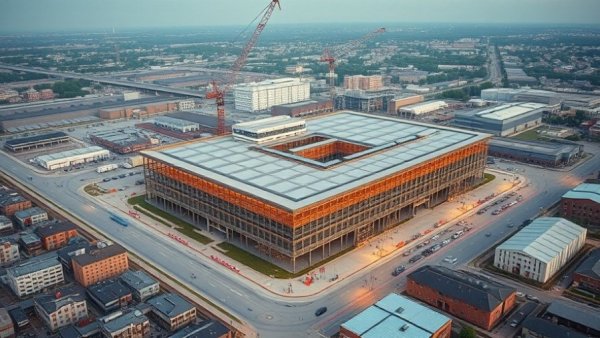
As technology becomes more integrated into daily life, data centers have become essential for supporting our digital infrastructure. However, the rapid increase in their presence has also sparked concerns among local communities. Noise, energy use, and land impact are some of the main issues people face. But what if these facilities could adapt to be more community-friendly? As Mihir Nandkeolyar from Johnson Controls points out, there are significant innovations underway that promise to address these challenges without sacrificing the efficiency that data centers provide.
Innovations That Can Change Perceptions
Nandkeolyar highlights several innovations that can transform the way data centers operate, thereby improving their relationship with nearby residents. One key area is the introduction of advanced compressors and fans that minimize noise pollution. This reduction in noise can significantly improve the quality of life for those living close to data centers.
Additionally, he discusses the development of waterless cooling systems, which drastically cut down on water consumption — a critical consideration in regions facing water scarcity. Furthermore, heat reuse technologies allow data centers to repurpose the energy they generate, potentially providing additional heating for neighboring residential areas or commercial buildings. This practice not only enhances efficiency but also fosters a symbiotic relationship with the community.
The Importance of Green Technologies
The integration of sustainable practices has never been more crucial. Modern data centers are now being designed with a focus on environmental responsibility. This shift encompasses energy-efficient systems that reduce carbon footprints and the implementation of renewable energy sources like solar and wind power to drive operations. As a result, data centers can find a way to coexist harmoniously with their surroundings while also contributing to broader climate goals.
Addressing Community Concerns
Proactively addressing community concerns builds trust and promotes collaboration between data center operators and residents. Studies have shown that when facility operators engage with the communities they impact, outcomes are often more favorable. By openly discussing plans regarding facility operation, maintenance, and innovations, data centers can alleviate fears and allow residents to see the tangible benefits of having such infrastructure close by.
Future Trends in Data Center Development
Looking forward, we can anticipate an increase in the adoption of these community-engaged strategies. Data centers will not only focus on operational efficiency but also prioritize reducing their external impact. According to industry reports, data centers are expected to increasingly utilize smart technologies and IoT integration to optimize resources and minimize waste. This progressive approach is likely to set new standards in facility design across the globe.
A Call for Continued Innovation
As the landscape of digital operations evolves, it is imperative that data centers keep pace with community expectations and environmental standards. Investments in research and development will be crucial in facilitating this shift. Ongoing discussions about the future of data centers should include input from various stakeholders, including local residents, policymakers, and energy experts.
In conclusion, as Mihir Nandkeolyar has emphasized, technology has now reached a point where it can not only serve its operational functions but also create a positive impact on communities. The commitment to community-friendly innovations represents a vital opportunity for data centers to thrive in a manner that respects and enhances the areas in which they operate. We encourage industry professionals to share insights, collaborate on practices, and advocate for solutions that prioritize community welfare in future data center projects.


Write A Comment