

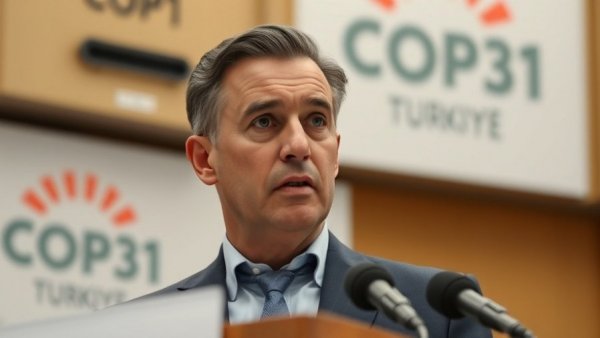
The Disruption of COP31: What Happened?
The COP31 climate negotiation in Antalya, Turkey, ended in a remarkable collapse, signaling deeper issues at the heart of global climate discussions. For the first time since 2009, no agreement was reached, as key players, including the EU and the UK, withdrew over significant disagreements regarding fossil fuel policies. This collapse not only marks a setback in managing climate change but also raises questions about the commitment of wealthier nations to finance climate adaptation in poorer countries.
Fossil Fuels: A Central Controversy in Climate Talks
The absence of any commitments to shift away from fossil fuels in the negotiation texts became a deal-breaker. Wopke Hoekstra, the EU Commissioner for Climate, highlighted that the talks failed to reflect the urgency of addressing the relationship between fossil fuels and global warming. Despite the historic call during COP28 for a global transition away from fossil fuels, this message vanished from subsequent negotiations, raising alarms about the future of serious climate action.
Financing for Climate Adaptation: Why It Matters
Another point of contention was the failure to secure funding for climate adaptation initiatives in developing nations. The collapse, chiefly attributed to the lack of agreement on financing, underscores a critical gap in global climate strategies. The previous commitment to triple such financing was abandoned, which diminishes the ability of vulnerable countries to manage the dire consequences of climate change. With escalating climate events affecting these regions, the need for concrete financial support is more pressing than ever.
The Broader Context of COP31’s Failure
The outcome of COP31 not only represents a moment of frustration among participating nations but also a scary illustration of the current climate crisis's severity, as global temperatures hover near 1.5°C above pre-industrial levels. Recent reports indicate that the goal of limiting temperature rise is slipping out of reach, with suggestions that the international focus should shift to mitigating further increases rather than just containing them. The discussions now seem to hinge on how to best implement net negative greenhouse gas emissions—points that became lost amid disputes over fossil fuel reliance and carbon capture technologies.
Looking Ahead: The Future of Climate Negotiations
The breakdown of COP31 prompts speculation about future meetings and the overarching commitment to climate action. As nations prepare for subsequent talks, the pressing question remains: how will they navigate the increasingly complex interplay of economics, technology, and environmental integrity? It seems that major shifts in policy and international cooperation are required to avoid repeating past failures.
Furthermore, stakeholders in the construction sector, particularly project managers and engineers, must be vigilant about these developments. Understanding the impacts of such international negotiations on regulations and funding can directly influence the implementation of sustainable practices and technologies on projects globally.
Conclusion: The Call to Action
As we reflect on the COP31 outcome, the urgent need for collective ambition in climate action is clearer than ever. It is essential for industry professionals to stay informed and engaged, advocating for greener project management approaches that align with the global call for sustainability. Together, we can influence meaningful change in how we address climate challenges moving forward.





Write A Comment