
cropper
The Project Controls Daily
  • Home
  • Categories
    • Cost Management
    • Schedule Management
    • Risk Management
    • Technology & Software
    • Certification & Career Development
    • ESG & Sustainable projects
    • Best Practices & Case Studies
    • Regulatory & Compliance
    • Leadership & Management
    • News & Trends
November 25.2026
3 Minutes Read

How Whiting-Turner’s $155M STEM Building Project Showcases Military Construction Innovations

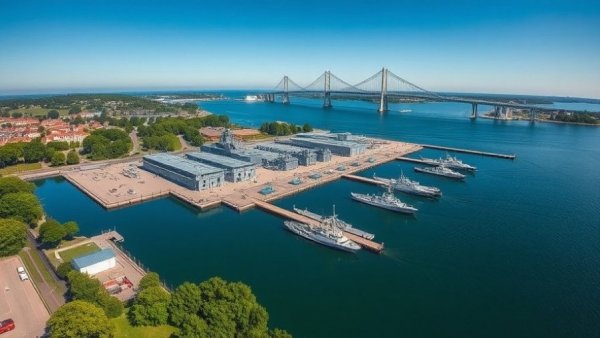
Aerial view of waterfront military facility with docks

New Construction Techniques on Display

Whiting-Turner has recently secured a $155 million contract to construct a new STEM building at the Coast Guard Academy. This project exemplifies the accelerated design-build-to-budget delivery method, showcasing a significant shift towards enhanced efficiency in federal contracting and military construction projects. The emphasis on timely completion and adherence to budgetary constraints highlights the necessity for innovative construction techniques in today’s fast-paced environment.

Understanding Design-Build Contracts

The design-build delivery model streamlines the construction process by allowing one entity to provide both design and construction services. This method, which removes the traditional divide between designers and builders, is gaining traction in the construction industry due to its potential to reduce timelines and cut costs. Instead of dividing responsibilities between different contractors, a single team handles the entirety of the project, fostering better communication and overall project coherence. By integrating these roles, design-build contracts can significantly lower the risk of disputes while improving productivity, which is crucial for projects like the one at the Coast Guard Academy.

Impact of Federal Contracting Reforms

This project is part of a broader federal contracting reform initiative aimed at speeding up military construction projects. With increasing pressure on federal budgets and timelines, swift reforms are necessary to meet the demands of modern military operations. Initiatives like the Faster, More Flexible Military Construction program are transforming how projects are delivered, prioritizing speed without sacrificing quality. This new approach not only benefits the government but also sets a precedent for future projects, encouraging other sectors to adopt similar frameworks to enhance their operational efficiency.

Technological Innovations in Construction

Incorporating technology into project management and construction processes is another critical aspect of delivering successful projects like the Coast Guard Academy STEM building. Tools such as Building Information Modeling (BIM) allow project teams to visualize the building before construction begins, enabling better planning and identification of potential issues. This forward-thinking strategy is invaluable for project control managers, as it streamlines workflows and minimizes delays. For cost managers and project control managers, this means that potential overruns can be identified early in the process, ultimately leading to more effective budget management and resource allocation.

Expert Insights on Cost Management

Effective cost management is central to the success of any construction project. By leveraging integrated software tools, professionals can closely track project expenditures in real-time, facilitating timely decision-making. This is particularly important on large projects like the one at the Coast Guard Academy, where financial accountability is paramount. For instance, project estimators can analyze cost data to create more accurate budgets, ensuring that projects remain financially viable throughout their lifecycle. This integrated approach to financial oversight not only helps in optimizing expenditure but also fosters transparency among stakeholders, which is vital when working on federally funded initiatives.

The Future of Military Construction

Looking forward, the focus on sustainability and eco-friendly building practices is likely to influence military construction significantly. As the industry moves towards greener practices, integrating sustainable materials and designs will become increasingly common. This trend aligns with the goals of ESG (Environmental, Social, and Governance) criteria, which emphasize environmental responsibility while ensuring that projects remain within budget and delivered on time. Additionally, sustainable practices can enhance the resilience of military infrastructures, making them better suited to withstand the challenges posed by climate change.

Conclusion: Embracing New Practices

For professionals in project control, cost estimation, and construction scheduling, staying informed about evolving practices in military construction is vital. The path taken by Whiting-Turner in the Coast Guard Academy project illustrates a beneficial evolution towards more efficient, accountable, and sustainable project delivery methods. By embracing these innovations and adapting to new technological advancements, professionals can enhance their practice and contribute constructively to the future of construction. The shifts in this industry reflect larger trends in public sector investments aimed at optimizing resources while addressing pressing societal needs—ultimately leading to more resilient military and civilian infrastructures.


News & Trends

1 Views

0 Comments

Write A Comment

*
*
Please complete the captcha to submit your comment.
Related Posts All Posts
11.25.2026

Exploring the $155 Million Coast Guard Academy STEM Building Project: A New Era in Construction

Update Revolutionizing Military ConstructionThe recent announcement that Whiting-Turner has won a $155 million contract to construct a new STEM building at the Coast Guard Academy not only represents a significant investment in education but also embodies a substantial shift in the way military construction projects are executed. This change comes at a time when educational institutions are increasingly seen as pivotal components in developing a skilled workforce capable of enhancing national security.Accelerated Design-Build MethodThis project is a testament to the government's commitment to utilizing the accelerated design-build-to-budget delivery method, which is part of a broader federal contracting reform initiative aimed at expediting military construction. This new delivery method is characterized by increased flexibility and collaboration, allowing for a more integrated approach to project execution. For senior professionals in construction and project management, such as Project Control Managers and Schedulers, this represents a shift towards more adaptive project structures that can better meet urgent federal needs. By streamlining design and construction processes, stakeholders can potentially see reduced timelines and increased clarity in project objectives.Addressing Challenges and OpportunitiesThe rapid pace of construction projects, particularly in the military sector, often faces challenges related to budget constraints and evolving requirements that can arise throughout the lifecycle of a project. By employing agile construction methodologies, companies like Whiting-Turner can navigate these uncertainties more effectively. Project Control Managers and Cost Engineers play a critical role in this dynamic, ensuring that schedules and budgets align with expedited timelines. Additionally, effective communication among team members becomes even more crucial in this fast-paced environment, where delays can result in significant cost overruns and resource wastage.The Importance of STEM EducationThe STEM building will significantly enhance educational opportunities for future Coast Guard officers, emphasizing science, technology, engineering, and mathematics. This focus on innovative education is crucial not only for the development of individual careers but also for preparing a workforce equipped to tackle the challenges of modern military operations. Preparing the next generation of leaders requires an emphasis on problem-solving skills and critical thinking, which are essential in fast-evolving military contexts. As project managers, understanding the implications of such developments on workforce training can guide strategic decision-making, helping to align educational programs with real-world military needs.Future Predictions: Military Construction LandscapeAs technology continues to evolve rapidly, we can anticipate that similar projects will follow this example, embracing advanced technologies like Building Information Modeling (BIM) and sustainable construction practices. The incorporation of these technologies can streamline operations and foster collaboration among teams, reducing the risks of miscommunication during the project's lifecycle. In future projects, the integration of these technologies is likely to result in even more efficient resource use, a reduction in environmental impact, and adoption of smart methodologies that enhance overall construction performance and reduce costs.Innovations in Project ManagementFor mid-to-senior level professionals, staying ahead of trends in technology integration and project management is vital. As methods like design-build become more prominent, all roles from Schedulers to Risk Managers must adapt their skills and practices. Technologies that support better communication and data sharing will be paramount for success in this new landscape, allowing for a more responsive and resource-efficient approach. As the industry evolves, professionals should actively seek opportunities for training and development to enhance their proficiency with emerging tools that facilitate project oversight and execution.Collaborative Efforts in ConstructionMoreover, collaboration among different stakeholders, including government agencies, private contractors, and educational institutions, will become increasingly important. Such partnerships can foster innovative solutions tailored to specific project needs while ensuring that the educational outcomes align with military operations. The STEM building endeavor highlights the potential of collaborative efforts in achieving common goals, making it a crucial learning opportunity for professionals navigating complex project environments.ConclusionThe Coast Guard Academy STEM building is more than just a construction project; it is a reflection of evolving processes and methodologies in military construction that aim to fulfill educational and operational needs faster and more efficiently. Embracing these changes can help professionals position themselves as leaders in a rapidly transforming field. As the construction industry embraces new delivery methods and innovative technologies, staying informed and adaptable will be key for long-term success. Keeping an eye on emerging trends in military construction will not only create opportunities for individual growth but will also contribute to the enhancement of national capabilities, ensuring that future military leaders are well-equipped to handle the complexities of modern warfare.

11.23.2026

Philadelphia's New Amtrak Concourse: A Leap Towards Modern Travel Efficiency

Update The New Era of Philadelphia Travel Begins Philadelphia has taken a significant step towards modernizing its transportation infrastructure by opening a new concourse at the Amtrak train station. This new addition is part of a larger $550 million upgrade project, marking a turning point for train travel in the city. Not only does the concourse provide state-of-the-art facilities for travelers, but it also aims to enhance the overall experience with improved accessibility and technology integration. With thousands of travelers passing through daily, the concourse is designed to efficiently handle increased foot traffic and streamline the boarding process, ultimately making train travel a more attractive option for both commuters and tourists alike. A Closer Look at the Design and Build Process Led by Gilbane Building Co., the design-build effort behind this impressive upgrade has focused on more than just aesthetics. The construction utilized the latest advancements in building information modeling (BIM) to enable real-time collaboration among project teams. This integration of technology not only streamlines communication but also enhances project efficiency, allowing for better time management and cost control throughout the development phases. Moreover, the design process has embraced feedback from various stakeholders, including local communities and regulatory agencies, ensuring the final product meets diverse needs and expectations. Impact on Project Control and Scheduling For project control managers and schedulers, the Amtrak concourse serves as a prime example of effective risk management and resource allocation. The ability to visualize the project outcomes with BIM has proven beneficial in anticipating structural challenges and mitigating potential delays. This project underscores the importance of adaptive planning in large-scale constructions, particularly within urban settings where complexities often arise. Utilizing scenario planning techniques, project teams were able to project different outcomes and make informed decisions based on evolving circumstances during construction, showcasing the value of flexibility and foresight in project management. Budgeting for Success: Cost Management Insights At $550 million, managing the budget efficiently is vital to the success of the Amtrak station upgrade. Cost engineers involved in this project have employed innovative cost estimation techniques, which have been enhanced through data analytics and historical project comparisons. By accurately forecasting costs and identifying potential financial risks early on, project stakeholders have been able to maintain fiscal discipline while still achieving their construction goals. This financial diligence ensures that funds are conserved for critical areas, including further enhancements and maintenance of the newly built facilities, which is essential for long-term sustainability and operational efficiency. The Future of Sustainable Travel Alongside operational improvements, this new concourse is designed with sustainability in mind. It features eco-friendly materials and energy-efficient systems that align with best practices in sustainable construction. Initiatives such as rainwater harvesting and natural light maximization are integrated into the design, contributing to a more environmentally responsible facility. This aspect of the project is particularly relevant in today’s evolving landscape where regulatory compliance and environmental responsibilities are increasingly important. As cities look towards greener futures, the Amtrak station sets a precedent for future projects across the nation, promoting sustainable travel options that resonate with environmentally-conscious travelers. Enhancing User Experience Through Technology In addition to its structural and aesthetic advancements, the new concourse incorporates cutting-edge technology to enhance the user experience. Features such as real-time travel updates, free Wi-Fi access, and interactive kiosks are designed to help passengers navigate the station more easily. These technological upgrades not only improve convenience but also contribute to reducing congestion by providing travelers with the information they need to make timely decisions. The focus on user experience demonstrates Amtrak's commitment to meeting the needs of modern travelers in a sophisticated manner. Conclusion: What This Upgrade Means for the Future The opening of the new concourse at Philadelphia's Amtrak station is not just a physical upgrade; it represents a broader vision for the future of transportation. As our cities expand and travel demands increase, the marriage of technology and construction in projects like this will become essential for efficiency and sustainability. For mid-to-senior level professionals in the industry, this project exemplifies successful strategies in project management and offers valuable insights into best practices that can be implemented in future endeavors. As the landscape of urban transportation continues to evolve, the lessons learned from this project may pave the way for similar initiatives nationwide, promoting innovation, sustainability, and efficiency in all facets of public transit.

11.23.2026

Amtrak's Philadelphia Concourse Revitalization: A Step Forward for Train Travel

Update A New Chapter for Philadelphia's Transit HubAmtrak recently unveiled its newly renovated concourse at the Philadelphia train station, a pivotal milestone within a broader $550 million upgrade initiative aimed at enhancing passenger experience across the Northeast Corridor. This renovation is a significant commitment to modernizing one of the nation's essential railway terminals, marking a revitalized vision for the future of train travel. Philadelphia's train station has long served as a critical junction for millions of travelers, and its thorough revamp reflects a modern approach to public transportation.Why This Upgrade MattersWith millions of travelers passing through Philadelphia each year, the need for a more functional, aesthetically pleasing space was apparent. The new concourse is designed to accommodate increased foot traffic, streamline processes, and provide updated amenities that cater to the modern traveler. The enhancements reflect a growing recognition of the vital role that design plays in transit environments, where improving the user experience can significantly impact overall satisfaction. This aligns with national trends towards enhancing public transport infrastructures, focusing on making them more accommodating and user-friendly. With urbanization continuing to grow, cities like Philadelphia are responding to increasing demands from their populations for more efficient and enjoyable travel options.Innovative Features of the New ConcourseThe concourse features expanded waiting areas, high-tech digital signage, and easier access to train platforms, tech-forward enhancements that are increasingly becoming standard in major transit upgrades. These innovations stem from extensive research and planning, showcasing how technology can revolutionize even the most traditional modes of transport. The integration of smart technologies, such as real-time travel updates and interactive kiosks, offers passengers an improved and streamlined experience. Lessons learned from this project can serve as a blueprint for similar upgrades nationwide, particularly for project control managers and cost engineers tasked with optimizing resources and timelines. Notably, features like improved lighting and comfortable seating reflect a concerted effort to create an inviting atmosphere, further enhancing the overall experience for travelers.The Role of Technology in ConstructionAs a part of the design-build approach facilitated by Gilbane Building Co., significant advancements in project management software have been employed, enhancing efficiency and cost management. Using innovative methodologies, such as Lean construction practices, has allowed teams to minimize waste while ensuring timely completion. This project serves as a case study in how leveraging Building Information Modeling (BIM) allows for better visualization and planning, ultimately reducing time and budget overruns. Such technology-driven methods are crucial as we aim for more sustainable construction techniques that do not compromise quality. Real-time collaboration tools have further improved communication across various teams and stakeholders, ensuring everyone was aligned throughout the renovation process.Learning from Philadelphia's ExperienceWhat can industry professionals take away from this project? As they strategize their approaches to upcoming projects, understanding the hurdles overcome in Philadelphia can prove beneficial. For example, effective risk management strategies that anticipate delays and budget fluctuations due to unforeseen circumstances can significantly enhance project outcomes. Incorporating flexible designs and knowing when to utilize modular construction methods may also accelerate timelines and address material shortages. Moreover, post-deployment evaluations will be essential to assess how well the new systems meet user needs and whether further modifications might be necessary. By learning from successes and challenges alike, project managers can better prepare for their future endeavors.Future Implications for Rail InfrastructureThe investment in this concourse speaks volumes about the future of rail infrastructure in the United States. Such extensive renovations signal a renewed commitment to rail travel as a sustainable option for commuting. As cities continue to prioritize sustainability and connectivity, Amtrak's commitment highlights a growing industry trend towards modern, environmentally conscious design principles in public transit systems. Looking forward, we can expect increased federal and state funding directed towards similar projects, focusing on enhancing commuter experiences while promoting greener travel options. Investment in rail infrastructure is seen as a crucial step toward reducing traffic congestion in urban areas, thereby lessening the environmental impact of commuting.Conclusion: Opportunities AheadAs we reflect on the advancements made in Philadelphia, the integration of modern technology and sustainable practices in public transportation projects will become vital. The expertise demonstrated in this renovation not only bolsters Philadelphia's rail system but also sets a standard that other cities may aim to replicate. To all project control managers and engineers, now is the time to leverage these insights into your project's future. The lessons learned from this project will prove invaluable as industries increasingly adopt innovative approaches to infrastructure challenges, driving forward the evolution of transit solutions across the nation.

WorldPulse News

Write a small description of your business and the core features and benefits of your products.

COMPANY

  • Privacy Policy
  • Terms of Use
  • Advertise
  • Contact Us
  • Menu 5
  • Menu 6

864 535 6456

AVAILABLE FROM 8AM - 5PM

City, State

, ,

ABOUT US

Write a small description of your business and the core features and benefits of your products.

© 2026 CompanyName All Rights Reserved. Address . Contact Us . Terms of Service . Privacy Policy

Terms of Service

Privacy Policy

Core Modal Title

Sorry, no results found

You Might Find These Articles Interesting

T
Please Check Your Email
We Will Be Following Up Shortly
*
*
*