
cropper
The Project Controls Daily
  • Home
  • Categories
    • Cost Management
    • Schedule Management
    • Risk Management
    • Technology & Software
    • Certification & Career Development
    • ESG & Sustainable projects
    • Best Practices & Case Studies
    • Regulatory & Compliance
    • Leadership & Management
    • News & Trends
November 10.2026
3 Minutes Read

Octopus Energy's $600 Million Fund: A Revolutionary Step for Clean Energy in Asia

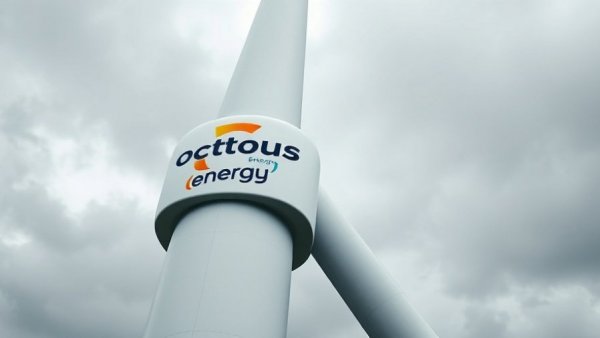
Close-up of Octopus Energy turbine, Asia Clean Energy Fund branding

Octopus Energy's Bold Move Towards a Greener Future

As global conversations around sustainability reach new heights, the recent launch of the Octopus Asia Electrification Fund (OAEF) by Octopus Energy Generation transforms the landscape for clean energy investments within Asia. The fund aims to mobilize a remarkable $600 million through collaborations with institutional investors, creating a ripple effect that could fundamentally reshape energy production in the region.

A Steady Investment in Clean Energy

With an initial backing of $50 million from Japanese financiers, Octopus is not just launching a fund; it is paving the way for significant advancements in renewable energy. The fund's inaugural investment targets Octali Energy Development, a Manila-based solar and storage developer, wherein Octopus plans to enhance solar capacity by 450 MW and battery storage by 350 MWh. This ambitious project is expected to supply clean electricity to over 300,000 homes annually by 2030, tackling the dire reliance on coal, which accounts for more than 60% of the electricity consumed in the Philippines.

Strategic Expansion Across Asia

OAEF's reach doesn't stop in the Philippines; it aims to extend its impact to Japan, South Korea, Singapore, Indonesia, Thailand, Malaysia, and Vietnam. The focus on solar energy, onshore wind, and battery storage reflects a broader need for sustainable energy solutions in that region.

Addressing the Energy Mix

The critical context of this initiative can’t be overlooked. The Philippines, like many Asian countries, heavily relies on fossil fuels, importing 98% of its oil from the Middle East. The demand for clean energy alternatives is urgent and growing, making the launch of OAEF not just timely but necessary.

Leading the Energy Transition

Zoisa North-Bond, CEO of Octopus Energy Generation, emphasized the importance of local partnerships, stating that the fund combines capital with local developers' expertise. This collaborative approach is set to unlock the potential of Asia’s clean energy future, providing a model for sustainable investment.

Future Predictions and Trends in Clean Energy

As investment flows into renewable sectors, an upward trend in energy transition initiatives across Asia is anticipated. The increasing focus on microgrids and electric vehicle infrastructure also underscores a shift towards comprehensive energy solutions. The urgency to address climate change has positioned funds like OAEF at the forefront of innovation in clean energy strategies.

Challenges Ahead: Navigating Regulatory Landscapes

While the potential for renewable energy investment is vast, regulatory hurdles can pose significant challenges. OAEF is classified as Article 9 under the EU's SFDR regulation, indicating a high standard for sustainability targets. Understanding these regulatory frameworks will be crucial for stakeholders to navigate successfully.

Why This Matters to Project Control Professionals

For project managers and engineers, the implications of OAEF's investments are profound. As clean energy projects scale, there's a demand for skilled professionals who can manage complex projects efficiently while adhering to sustainability goals. Understanding the intersection of technology, construction, and renewable energy will be essential for maximizing project outcomes.

Embracing Sustainable Practices in Project Management

As we look to the future of clean energy, integrating sustainable practices within project management becomes imperative. Tools and strategies enabling better tracking of progress against environmental targets will define the success of these initiatives.

In conclusion, the launch of the Octopus Asia Electrification Fund is not just a financial endeavor; it symbolizes a commitment to sustainable development in the heart of Asia. This shift offers valuable lessons in collaboration, strategy, and the necessity of clean energy innovation for professionals across various sectors. With ongoing investments and evolving regulatory landscapes, there has never been a more exciting time to be involved in the energy transition. Get ready to join this transformative journey!


ESG & Sustainable projects

10 Views

0 Comments

Write A Comment

*
*
Please complete the captcha to submit your comment.
Related Posts All Posts
11.21.2026

Beatriz Da Cunha Takes Lead in Sustainable Finance at EDF

Update The New Face of Sustainable Finance at EDF The Environmental Defense Fund (EDF), an organization dedicated to combating climate change, welcomed Beatriz Da Cunha as the new Head of Sustainable Finance. This newly appointed position comes at a crucial time as the organization aims to bolster its influence in encouraging low-carbon investments in emissions-heavy sectors. Recognizing the urgency of climate action, EDF's strategy will likely align with global initiatives aimed at reducing carbon emissions, reflecting a commitment to sustainable practices that can reshape industry standards. A Strong Background in Sustainable Investing Beatriz Da Cunha steps into the role after an impressive tenure at Barclays Investment Bank, where she spearheaded sustainable finance strategy execution. With over 18 years at BlackRock, Da Cunha's experience spans critical roles including Business Strategy and Chief Operating Officer for Sustainable Investing. Her wealth of knowledge prepares her to drive EDF's mission of mobilizing finance for decarbonization across sectors like oil and gas, food and agriculture, and transportation. Her past work has involved not only strategic planning but also direct engagement with stakeholders to align investments with sustainability goals. This kind of hands-on experience will be invaluable as EDF pushes for transformative financial solutions. Changing Leadership Dynamics The appointment follows the exit of Leslie Labruto, who was pivotal in shaping EDF's sustainable finance initiatives since 2023. Under Labruto’s leadership, the team made strides in collaborating with banks, investors, and insurers to elevate their commitment to sustainability. The leadership change signifies a continual evolution within EDF's approach to sustainable finance, emphasizing the need to adapt strategies to meet changing market conditions and stakeholder expectations. Da Cunha's role is thus viewed as foundational in continuing this momentum and enhancing the non-profit's partnerships with key stakeholders in the finance landscape. Her fresh perspective will build on the groundwork laid by her predecessor while introducing new ideas and frameworks to tackle sustainability challenges. Bridging Collaboration in Decarbonization Efforts Da Cunha’s leadership is expected to focus on creating robust partnerships that align financial resources with climate action. These efforts could foster innovative financing models that deliver climate solutions, particularly in sectors most resistant to transition. For instance, proposing new financial instruments or creating collaborative platforms can drive investment in renewable technologies, demonstrating the effectiveness of collaborative approaches in addressing climate challenges. This strategic move indicates a broader trend in the financial sector, where there’s an increasing readiness to address climate risks and integrate sustainability into investment decisions. Such collaborations can not only enhance financial performance but also align projects with long-term environmental objectives. The Importance of Sustainable Leadership For mid-to-senior level professionals in project management, finance, and environmental sectors, understanding the impacts of such leadership changes is crucial. The institutional knowledge that individuals like Da Cunha bring can reshape initiatives and influence corporate practices towards greater sustainability. Moreover, her expertise will likely facilitate knowledge transfer within EDF, ensuring that best practices are disseminated and adopted across projects. Additionally, as the demand for eco-friendly projects rises, professionals must be ready to embrace new strategies and frameworks that consider both fiscal and environmental responsibilities. The shift towards sustainability will inevitably require a reassessment of project timelines, costs, and design methods, providing fertile ground for innovation. Future Insights and Industry Impact Looking ahead, the appointment of Beatriz Da Cunha is likely to have profound implications for the future of sustainable finance. As financial institutions evolve, driven by both regulations and market forces, having a knowledgeable leader could position EDF as a pivotal player in defining how companies within carbon-heavy industries strategize their environmental impact. This positioning could also present opportunities for collaboration with sector leaders who are eager to pivot towards greener practices. Thus, project control managers, risk managers, and other professionals should remain attuned to these changes as they can offer unique opportunities for career development within evolving regulatory landscapes. Staying informed about emerging trends in sustainable finance will empower professionals to advocate for and implement more environmentally conscious projects. Take Action for a Sustainable Future As the climate crisis escalates, the integration of sustainability in financial practices is not just a trend but a necessity. Mid-to-senior professionals have a unique opportunity to lead by adopting sustainable project management practices and pushing the boundaries of how projects can effectively reduce carbon footprints. By learning from leaders like Da Cunha, individuals can position themselves at the forefront of transforming industries toward a more sustainable future. This proactive approach not only benefits the environment but also enhances professional resilience, ensuring that individuals are equipped to navigate the complexities of sustainable development and finance.

11.19.2026

KKR's Investment in Gentari’s India Renewable Energy Platform: A Game Changer

Update KKR's Bold Move into India's Renewable Energy SectorIn a significant step for India's renewable energy landscape, KKR, a prominent alternative asset management firm, has acquired a minority stake in Gentari Renewables India. This venture signals a robust commitment to supporting clean energy solutions, as the Indian government sets ambitious targets for renewable energy capacity. This development comes at a time when global investments in sustainable energy are witnessing a steep upward trajectory, further cementing India's role as a player in the international energy transition.The Power of Gentari in SustainabilityGentari, a subsidiary launched in 2022 by Petronas, aims to spearhead innovations in renewable energy, hydrogen production, and green mobility. The company’s portfolio includes a diverse array of projects encompassing solar, wind, and battery energy storage, with a total capacity of approximately 8 GW. This multifaceted approach targets commercial, industrial, and governmental customers, aligning perfectly with India's vision of expansive clean energy adoption. Moreover, Gentari is at the forefront of developing clean hydrogen technologies, which are anticipated to play a crucial role in the energy mix of the future.India's Renewable Energy AspirationsIndia is on a transformative journey, aiming to achieve 500 GW of installed renewable energy capacity by 2030. In addition to this ambitious goal, the country has set new benchmarks to reduce emissions intensity by 47% and to ensure that 60% of its electric power comes from non-fossil sources by 2035. Such goals underscore the urgency for reliable and sustainable energy solutions, which KKR's investment will help facilitate. The demand for power is not only increasing nationally but is also driven by rising industrial activities and urbanization, making the role of renewable energy even more crucial in ensuring energy security.The Strategic Partnership Promises GrowthHardik Shah, KKR's partner in the Asia Pacific Infrastructure division, emphasized the urgency for investment in India's energy infrastructure, reflecting the rising demand for dependable power sources. He noted that sophisticated platforms, capable of delivering diverse renewable energy solutions, play a crucial role in this developmental landscape. Highlighting the synergy between KKR and Gentari, he stated that the partnership combines Gentari’s operational expertise with KKR’s extensive investment experience, thereby fostering growth, innovation, and enhanced efficiency. This strategic collaboration is poised to strengthen the foundation needed for the expansive growth of renewable energy in India.Leadership and Future Growth PotentialSushil Purohit, Gentari’s Group CEO, expressed enthusiasm about welcoming KKR as a long-term investor, highlighting the potential for expanding their renewable energy business in India. With Gentari retaining strategic oversight and operational control, it is well-positioned to optimize its growth trajectory. This partnership will allow Gentari to leverage KKR's strategic insights and funding capabilities, creating an avenue for technological advancements and new project developments in a rapidly changing market.What This Means for Project Managers and EngineersThis development is not just a corporate transaction; it carries significant implications for project control managers, cost engineers, and other professionals in the construction and energy sectors. It indicates a trend towards the integration of more sophisticated energy solutions and project management practices. Professionals will need to engage in meticulous planning, advanced risk management methodologies, and adherence to evolving regulatory frameworks. Furthermore, understanding the dynamics of such partnerships can enhance collaboration among teams and stakeholders, opening doors to new projects while facilitating the adoption of innovative technologies that improve project efficiency.Challenges and Opportunities AheadWhile the prospects of this partnership appear promising, challenges remain. The transformation to a cleaner energy system involves navigating regulatory landscapes and ensuring that investments yield long-term benefits. Rapid technological advances in energy storage, grid management, and distribution must be addressed adequately. This evolving environment offers project managers and engineers numerous opportunities to refine their skills and expertise, especially in the realms of sustainable practices and resource efficiency.Conclusion: A Call to Embrace the FutureThe collaboration between KKR and Gentari highlights an encouraging trend towards sustainable energy solutions in India. It serves as an inspirational example of how strategic partnerships can accelerate the transition to renewable energy, benefiting not just businesses but the environment as well. As project managers and construction professionals, it is critical to stay abreast of these developments to leverage new opportunities in the evolving energy landscape. With the demand for renewable energy rising, the time is ripe for professionals in these fields to engage deeply with these changes and actively contribute to the future of the energy sector in India.

11.18.2026

Tesco's Climate Supplier Programme: A Bold Step in Emissions Data Sharing

Update Understanding Tesco's Initiative for Climate Transparency In a significant move towards sustainability, UK-based grocery giant Tesco recently announced its Climate Supplier Programme, inviting around 400 key suppliers to collaborate on reducing supply chain emissions. This initiative is a part of Tesco's broader strategy to achieve net zero emissions across its entire value chain by 2050. They have partnered with OpenClimat, a Paris-based climate data platform that specializes in providing retailers and manufacturers with tools to standardize and verify greenhouse gas emissions data. Why Emissions Data Sharing is Essential Every company, especially in the retail sector, has a role in combating climate change. A major challenge lies in addressing Scope 3 emissions, which include indirect emissions generated through a company's supply chain. This is where Tesco's program flourishes. By focusing on emissions data sharing, Tesco aims to set the stage for transparency. The invited suppliers represent more than 80% of Tesco's grocery supply chain by value in the UK and Republic of Ireland, marking a crucial step towards collaborative climate action. Benefits for Suppliers: Collaborating for Change Participating suppliers will not only be involved in filling out initial questionnaires regarding their emissions but will also engage in ongoing collaboration starting February 2027. This engagement phase is designed to empower suppliers with guidance, resources, and opportunities to minimize their carbon footprints. Claire Lorains, Tesco’s Group Quality and Sustainability Director, emphasized that reaching net zero is impossible without collaboration across the supply chain, thereby highlighting the mutual benefits of this initiative. The Future of Sustainability in Retail The implications of this initiative extend beyond Tesco and its suppliers. It showcases a promising trend in the retail sector where transparency and accountability in emissions reporting could become the norm. As companies face increasing pressure from consumers and regulators alike to demonstrate their environmental commitments, programs like Tesco’s are likely to inspire similar initiatives across various industries. Potential Challenges in Implementation While the initiative has great potential, there are challenges ahead. Not all suppliers may be equipped to provide accurate emissions data, particularly smaller suppliers who might lack the resources for detailed tracking. This discrepancy could lead to inconsistent reporting, which ultimately undermines the program's goals. Tesco must ensure that the resources offered are accessible and tailored to help all suppliers, regardless of size or capacity, successfully participate. Conclusion: Taking Practical Steps Towards Sustainability As companies like Tesco lead the charge in their sustainability efforts, other industries should take note of the importance of collaboration to tackle climate change. With robust frameworks for emissions data sharing, organizations can significantly advance their sustainability goals while fostering a culture of transparency. High-ranking professionals in project management and cost engineering have a pivotal role to play in ensuring these initiatives are effectively implemented and monitored. By staying informed and embracing these opportunities, professionals can contribute not only to their organizations' success but also to the broader goal of a sustainable future. As we witness progressive steps like those taken by Tesco, it is essential for professionals to engage with their suppliers and partners to drive impactful changes.

WorldPulse News

Write a small description of your business and the core features and benefits of your products.

COMPANY

  • Privacy Policy
  • Terms of Use
  • Advertise
  • Contact Us
  • Menu 5
  • Menu 6

864 535 6456

AVAILABLE FROM 8AM - 5PM

City, State

, ,

ABOUT US

Write a small description of your business and the core features and benefits of your products.

© 2026 CompanyName All Rights Reserved. Address . Contact Us . Terms of Service . Privacy Policy

Terms of Service

Privacy Policy

Core Modal Title

Sorry, no results found

You Might Find These Articles Interesting

T
Please Check Your Email
We Will Be Following Up Shortly
*
*
*