

What Is Crane Exclusion Zone Monitoring and Its Importance?
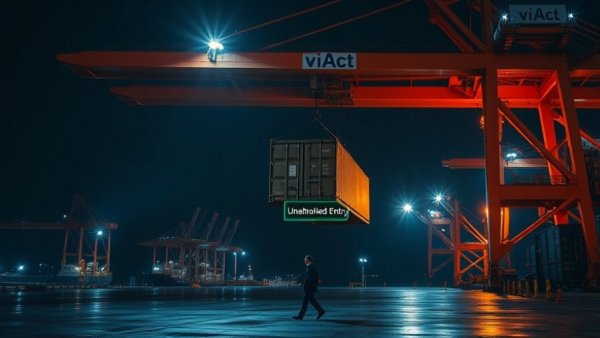
Crane exclusion zone monitoring is a critical safety measure in busy port environments, aiming to protect workers and assets from the risks posed by heavy machinery like ship-to-shore (STS) and rubber-tyred gantry (RTG) cranes. Unlike fixed zones, which can restrict access with permanent boundaries, dynamic exclusion zones adapt to the movements of cranes and their loads, providing real-time awareness of potential hazards. This adaptability is paramount, especially in the wake of reports such as the tragic accident on September 22, 2026, at Singapore's Tuas Port, where two workers lost their lives after falling into the sea during stevedoring, highlighting the need for effective monitoring systems.
Dynamic Exclusion Zone Monitoring: How It Works
Dynamic exclusion zone monitoring employs advanced technologies such as AI-driven video analytics and real-time tracking systems. These technologies continuously assess the spatial relationship between cranes, their loads, and personnel nearby, dynamically adjusting the exclusion zones as operations unfold. For instance, if a crane is moving a suspended load overhead, the exclusion zone shifts with it, helping to identify and flag any unauthorized or unsafe personnel in real time. This system not only enhances safety by preventing access to dangerous areas but also mitigates the risks associated with human error and miscommunication on busy work sites.
The Role of AI in Monitoring Exclusion Zones
Artificial Intelligence (AI) has revolutionized the way exclusion zones are monitored. AI-driven video analytics systems can detect whether workers are standing in hazardous areas under suspended loads or moving machinery. Alerts are raised within seconds, allowing for quick interventions that can prevent accidents. These systems can analyze live footage to monitor the behavior of workers and identify patterns that might signal careless behavior or potential rule violations. As ports become increasingly digitized, the integration of AI in safety protocols will not only enhance worker safety but may also streamline operations and reduce downtime.
Challenges of Traditional Fixed Boundaries
Traditional fixed boundaries, while useful, have serious limitations when it comes to growing operational complexities. They are incapable of adapting to the high-speed dynamics of modern crane operations. For example, if a worker is seen safely outside the marked area, they could suddenly find themselves in danger as the crane moves. These zones fail to provide the critical situational awareness central to ensuring worker safety during container lifts and equipment interactions. Hence, moving towards dynamic monitoring solutions is essential in addressing these shortcomings.
Statistics Highlighting the Need for Improved Monitoring Solutions
According to recent statistics, the number of workplace fatalities in stevedoring at ports has risen, with the transport and storage sectors reporting the highest rates. In the first half of 2026 alone, workplace deaths rose to 21 from 18 in the previous year. These digits signal an urgent need for enhanced monitoring systems that can adapt to the evolving risks presented within busy port environments. The effectiveness of these systems could be the difference between maintaining a safe working environment and risking lives and operational integrity.
Best Practices for Crane Exclusion Zone Monitoring
As ports look to implement monitoring systems, several best practices can guide decision-makers. Firstly, it’s important to assess credible vendors that specialize in AI and safety analytics. Potential systems should be capable of integrating with existing crane operations and be user-friendly to ensure worker compliance. Regular training sessions for personnel on the new systems are also vital in fostering a culture of safety. Lastly, regular reviews and updates of the safety protocols will ensure continuous improvements in monitoring efficiency and effectiveness.
Future Insights: Towards Safer Ports through Technology
The future of crane exclusion zone monitoring looks promising, with technology evolving rapidly to meet safety demands. As sensors become cheaper and more effective, further integration with Internet of Things (IoT) technology could pave the way for unprecedented levels of situational awareness, where every movement is tracked in real time across entire port operations. This potential will not only improve safety but could also lead to increased productivity as crane operations are optimized for safety and efficiency.



Write A Comment