cropper
The Project Controls Daily
  • Home
  • Categories
    • Cost Management
    • Schedule Management
    • Risk Management
    • Technology & Software
    • Certification & Career Development
    • ESG & Sustainable projects
    • Best Practices & Case Studies
    • Regulatory & Compliance
    • Leadership & Management
    • News & Trends
November 12.2026
3 Minutes Read

How BSIS and MOIS Transform Road Safety for Heavy Vehicles

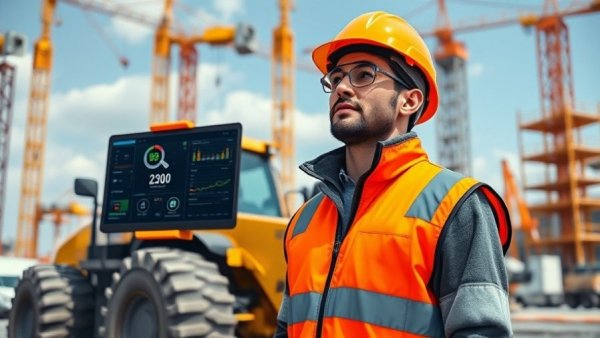
BSIS and MOIS safety tech on construction site with heavy vehicle

Understanding BSIS and MOIS: Changing the Landscape of Heavy Vehicle Safety

In the ever-evolving world of heavy vehicle safety, the introduction of advanced systems like the Blind Spot Information System (BSIS) and the Moving Off Information System (MOIS) represents a significant leap forward. These technologies are not just regulatory requirements; they embody a commitment to enhancing road safety for vulnerable users like pedestrians and cyclists.

What Are BSIS and MOIS?

BSIS, covered under UN Regulation 151, is designed to monitor the nearside blind spot of heavy vehicles such as trucks and buses, alerting drivers when pedestrians or cyclists are present. On the other hand, MOIS, as per UN Regulation 159, focuses on the critical area in front of the vehicle during low-speed maneuvers, notifying drivers of potential hazards as they move off from a stationary position. The key distinction is that both systems provide warnings to drivers rather than taking control of the vehicle, empowering operators to make informed decisions.

The Role of Regulations: A Safety Perspective

The European Union has taken strides in mandating BSIS and MOIS through its General Safety Regulation (EU Regulation 2019/2144). This law applies to new heavy vehicles in categories M2, M3, N2, and N3, ensuring that these safety measures are part of standard vehicle specifications starting from July 2024. Citizens, especially in metropolitan areas like London, will benefit from a notable decrease in road traffic accidents thanks to these innovations.

Evidence of Effectiveness: A Glimpse at the Statistics

Data from Transport for London illustrates the positive impact of implementing advanced safety measures. The average number of pedestrians and cyclists killed or seriously injured by vehicles over 12 tonnes decreased from 71 per year in the years 2017 to 2019 to just 35 in 2024. This remarkable 50% reduction is directly attributable to the Direct Vision Standard and related safety initiatives, including BSIS and MOIS.

Beyond Urban Roads: The Impact on Construction and Industrial Sites

While BSIS and MOIS are mandatory for heavy road vehicles, similar technologies can be applied to construction and industrial machines like forklifts and excavators, which often operate in high-risk environments. Implementing vehicle management systems that can detect individuals in blind spots can create safer worksites and significantly reduce accident risks.

Future Implications: Trends Toward Safer Vehicles

The UN regulations pave the way for not only safer vehicles on the road but also inspire future innovations in automotive technology. As we witness the development of intelligent systems that recognize hazards and communicate them effectively, the construction industry is likely to adopt these technologies more rapidly, ensuring a safe working environment and promoting efficient project timelines.

Rethinking Responsibilities: The Role of Fleet Management

As safety requirements evolve, project control managers, cost engineers, and risk managers must lead efforts in integrating BSIS and MOIS into their fleet management practices. Take proactive approaches in ensuring compliance by investing in the latest vehicle technologies and educating staff on safety protocols to utilize these systems to their fullest potential.

Take Action: Join the Movement for Safer Roads

As members of the construction and transportation sectors, staying updated on regulatory changes and best practices is crucial. Consider advocating for BSIS and MOIS within your organization to enhance safety on the job, save lives, and comply with your legal obligations. Together, we can pave the way to safer roads and construction sites for everyone.

Technology & Software

2 Views

0 Comments

Write A Comment

*
*
Please complete the captcha to submit your comment.
Related Posts All Posts
11.14.2026

Unveiling Data Centre Fire Risks: Causes, Detection, and Prevention

Update Understanding the Causes of Data Centre FiresData centre fires can pose serious threats to operational integrity, personal safety, and even the larger environment. The primary causes often stem from the electrical and power systems that keep data centres running smoothly. According to the Energy Incident Register, there have been 180 power-infrastructure incidents worldwide since 2010, which included a worrying 59 fires or thermal events. This underscores the importance of closely monitoring essential systems like uninterruptible power supply (UPS) batteries, generators, and switchgear to prevent hazardous conditions.Identifying Early Warning SignsPreventing data centre fires hinges on the ability to detect early warning signs before they escalate into severe incidents. Traditional detection methods need to be complemented by advanced technologies such as AI-powered video analytics. These sophisticated systems utilize existing CCTV infrastructures to identify visible smoke or flames as well as potential unsafe activities, providing a multifaceted approach to fire detection. The Role of Human Error and Implementation RisksHuman error remains a significant contributor to data centre fire incidents. As facilities expand or undergo maintenance, multiple contractors often work on systems simultaneously, increasing the risk of ignition sources coming into contact with flammable materials. Common tasks such as welding, cutting, and grinding can inadvertently introduce severe fire hazards if not managed properly, especially when performed near electrical systems. Therefore, thorough training and strict adherence to safety protocols during construction and commissioning phases are critical in mitigating risks.Concerns with Lithium-Ion UPS BatteriesLithium-ion UPS systems are particularly notable because they can harbor substantial risks within data centres. Instances of thermal runaway—where chemical reactions lead to excessive heat and flammable gas emissions—trigger alarms for many industry experts. Data from Uptime Institute's 2026 outage analysis suggests that fires attributed to these battery types have gradually increased, largely coinciding with the expansion of data centre facilities. This trend should be underscored not as an inherent rise in risk but as a symptom of increased installations across the globe.Essential Tools for PreventionPrevention strategies should include a combination of comprehensive equipment condition monitoring alongside electrical protection systems. These systems help identify issues like overheating, electrical faults, and potential ignition sources that may not be evident through visual inspections alone. Notably, power-related incidents often involve overlapping equipment categories wherein one incident can reflect failures across multiple systems.Technology and Fire Safety: Future DirectionsLooking ahead, the integration of smart technologies is predicted to redefine fire safety measures in data centres. The potential for AI to recognize warning signs early, coupled with continual advancements in construction and technology, can vastly improve existing fire detection methodologies. Enhanced predictive analytics will not only help in monitoring conditions but will also provide insights into operational patterns that could lead to fire risks, thereby empowering managers to make timely interventions.Conclusion: Why This MattersAs the data centre industry continually evolves, understanding and mitigating fire risks become vital for operational success and safety. Mid-to-senior professionals need to stay informed about innovative technologies and strategies that can effectively manage and minimize fire-related incidents. By concentrating efforts on comprehensive training, implementing advanced monitoring technologies, and fostering a culture of safety during construction and operational phases, we can collectively reduce the risk of data centre fires.

11.13.2026

Mycon's New CIO Focuses on Cybersecurity and AI: What It Means for Construction

Update A Major Shift in Construction Leadership: Embracing Technology Mycon General Contractors has recently appointed Michael Shepherd as its new Chief Information Officer (CIO), marking a significant shift in the construction landscape. As enterprises prepare for technological advancements by 2027, Shepherd's role is poised to influence how construction firms approach integrated technology, especially in cybersecurity and artificial intelligence (AI). This move not only signifies a commitment to technological progress but also highlights the importance of adapting to an evolving industry landscape. Why Cybersecurity is Essential for the Modern Contractor One of Shepherd’s primary focus areas will be cybersecurity, a crucial concern in today’s construction environment. Major contractors, including Turner Construction and Kiewit, have fallen victim to cyberattacks that have caused financial losses and disrupted projects. By making cybersecurity a centerpiece of Mycon’s strategy, the firm aims to safeguard its projects and data against these escalating risks. Cyberattacks have become a reality for many businesses, affecting not just their operational capabilities but also their reputations and stakeholder trust. In response to this trend, the Associated Builders and Contractors have begun crafting roadmaps to provide a framework for defense against cyber threats, particularly for contractors involved in sensitive areas like the Department of Defense. These measures are designed to help firms implement safeguards and training to bolster their defenses against potential intrusions. As cyber threats continue to evolve, the proactive steps taken by organizations will play a crucial role in their success and resilience. AI: Transforming Construction Practices In addition to cybersecurity, Shepherd will delve into the promising realm of AI. The construction industry is already witnessing a revolution, with contractors rapidly adopting AI to enhance workflows in design and modeling. Builders are finding novel ways to streamline operations and improve construction feasibility assessments. AI technologies can predict project outcomes, optimize supply chains, and even enhance safety protocols on job sites. Shepherd’s vision is to harness data to optimize Mycon’s operations, ensuring teams have unfettered access to innovative tools that enhance productivity. He aims to implement AI that allows for real-time data analytics, helping project teams make faster and more informed decisions. This shift towards data-driven decision-making not only increases efficiency but can also significantly reduce project costs and timelines, building a competitive edge within the market. A Shift in the C-Suite: The Role of Technology Experts Shepherd’s appointment reflects a broader trend in the contracting world, where tech roles are gaining prominence in the C-suite. Executives across the industry are starting to recognize the competitive advantage that comes with integrating technology oversight into leadership teams. For instance, STV has recently appointed its first Chief Technology Officer, while Clayco's Jeff Miller has taken the reins as CIO, underlining the industry’s commitment to integrating technology at the highest levels of decision-making. As construction becomes more technology-driven, the role of technology experts in executive positions is becoming increasingly vital. This trend signifies that technology is not merely an operational tool but a strategic asset critical to the long-term success of contractors. Firms are beginning to understand that embracing new technologies can lead to improved project outcomes, enhanced safety measures, and better overall management of resources. Looking Forward: Opportunities and Challenges Ahead As Shepherd steps into his role, he faces both opportunities and challenges. The construction industry is at a critical juncture, with potential for tremendous growth through technological adoption. However, this also brings risks, notably in managing the security of complex digital infrastructures. The interplay between AI advancements and cybersecurity not only enhances operational efficiencies but also raises the stakes for securing sensitive information. Moreover, as the construction sector moves towards increasing automation and digitalization, workforce training will become essential. Ensuring that all team members are adept at using these new technologies will be key to leveraging their full potential. This provides an opportunity for companies like Mycon to create robust training programs, equipping employees with the necessary skills while fostering innovation within organizational culture. Conclusion: Embracing Change for Success For Mycon and the broader construction industry, the integration of roles like Shepherd’s indicates a promising shift towards embracing technology as a core component of growth and success. As organizations navigate this new landscape, they must prioritize both cybersecurity measures and innovative technology solutions to remain competitive in an increasingly digital world. The future of construction lies not only in the physical structures being built but also in the digital frameworks that support them, making technology leadership more crucial than ever.

11.11.2026

Ensuring Safety: How Can Ports Monitor Dynamic Exclusion Zones Around Cranes?

Update What Is Crane Exclusion Zone Monitoring and Its Importance? Crane exclusion zone monitoring is a critical safety measure in busy port environments, aiming to protect workers and assets from the risks posed by heavy machinery like ship-to-shore (STS) and rubber-tyred gantry (RTG) cranes. Unlike fixed zones, which can restrict access with permanent boundaries, dynamic exclusion zones adapt to the movements of cranes and their loads, providing real-time awareness of potential hazards. This adaptability is paramount, especially in the wake of reports such as the tragic accident on September 22, 2026, at Singapore's Tuas Port, where two workers lost their lives after falling into the sea during stevedoring, highlighting the need for effective monitoring systems. Dynamic Exclusion Zone Monitoring: How It Works Dynamic exclusion zone monitoring employs advanced technologies such as AI-driven video analytics and real-time tracking systems. These technologies continuously assess the spatial relationship between cranes, their loads, and personnel nearby, dynamically adjusting the exclusion zones as operations unfold. For instance, if a crane is moving a suspended load overhead, the exclusion zone shifts with it, helping to identify and flag any unauthorized or unsafe personnel in real time. This system not only enhances safety by preventing access to dangerous areas but also mitigates the risks associated with human error and miscommunication on busy work sites. The Role of AI in Monitoring Exclusion Zones Artificial Intelligence (AI) has revolutionized the way exclusion zones are monitored. AI-driven video analytics systems can detect whether workers are standing in hazardous areas under suspended loads or moving machinery. Alerts are raised within seconds, allowing for quick interventions that can prevent accidents. These systems can analyze live footage to monitor the behavior of workers and identify patterns that might signal careless behavior or potential rule violations. As ports become increasingly digitized, the integration of AI in safety protocols will not only enhance worker safety but may also streamline operations and reduce downtime. Challenges of Traditional Fixed Boundaries Traditional fixed boundaries, while useful, have serious limitations when it comes to growing operational complexities. They are incapable of adapting to the high-speed dynamics of modern crane operations. For example, if a worker is seen safely outside the marked area, they could suddenly find themselves in danger as the crane moves. These zones fail to provide the critical situational awareness central to ensuring worker safety during container lifts and equipment interactions. Hence, moving towards dynamic monitoring solutions is essential in addressing these shortcomings. Statistics Highlighting the Need for Improved Monitoring Solutions According to recent statistics, the number of workplace fatalities in stevedoring at ports has risen, with the transport and storage sectors reporting the highest rates. In the first half of 2026 alone, workplace deaths rose to 21 from 18 in the previous year. These digits signal an urgent need for enhanced monitoring systems that can adapt to the evolving risks presented within busy port environments. The effectiveness of these systems could be the difference between maintaining a safe working environment and risking lives and operational integrity. Best Practices for Crane Exclusion Zone Monitoring As ports look to implement monitoring systems, several best practices can guide decision-makers. Firstly, it’s important to assess credible vendors that specialize in AI and safety analytics. Potential systems should be capable of integrating with existing crane operations and be user-friendly to ensure worker compliance. Regular training sessions for personnel on the new systems are also vital in fostering a culture of safety. Lastly, regular reviews and updates of the safety protocols will ensure continuous improvements in monitoring efficiency and effectiveness. Future Insights: Towards Safer Ports through Technology The future of crane exclusion zone monitoring looks promising, with technology evolving rapidly to meet safety demands. As sensors become cheaper and more effective, further integration with Internet of Things (IoT) technology could pave the way for unprecedented levels of situational awareness, where every movement is tracked in real time across entire port operations. This potential will not only improve safety but could also lead to increased productivity as crane operations are optimized for safety and efficiency.

WorldPulse News

Write a small description of your business and the core features and benefits of your products.

COMPANY

  • Privacy Policy
  • Terms of Use
  • Advertise
  • Contact Us
  • Menu 5
  • Menu 6

864 535 6456

AVAILABLE FROM 8AM - 5PM

City, State

, ,

ABOUT US

Write a small description of your business and the core features and benefits of your products.

© 2026 CompanyName All Rights Reserved. Address . Contact Us . Terms of Service . Privacy Policy

Terms of Service

Privacy Policy

Core Modal Title

Sorry, no results found

You Might Find These Articles Interesting

T
Please Check Your Email
We Will Be Following Up Shortly
*
*
*