

Understanding the Causes of Data Centre Fires
Data centre fires can pose serious threats to operational integrity, personal safety, and even the larger environment. The primary causes often stem from the electrical and power systems that keep data centres running smoothly. According to the Energy Incident Register, there have been 180 power-infrastructure incidents worldwide since 2010, which included a worrying 59 fires or thermal events. This underscores the importance of closely monitoring essential systems like uninterruptible power supply (UPS) batteries, generators, and switchgear to prevent hazardous conditions.
Identifying Early Warning Signs
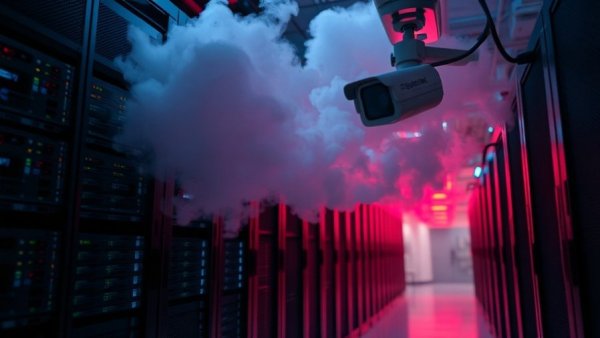
Preventing data centre fires hinges on the ability to detect early warning signs before they escalate into severe incidents. Traditional detection methods need to be complemented by advanced technologies such as AI-powered video analytics. These sophisticated systems utilize existing CCTV infrastructures to identify visible smoke or flames as well as potential unsafe activities, providing a multifaceted approach to fire detection.
The Role of Human Error and Implementation Risks
Human error remains a significant contributor to data centre fire incidents. As facilities expand or undergo maintenance, multiple contractors often work on systems simultaneously, increasing the risk of ignition sources coming into contact with flammable materials. Common tasks such as welding, cutting, and grinding can inadvertently introduce severe fire hazards if not managed properly, especially when performed near electrical systems. Therefore, thorough training and strict adherence to safety protocols during construction and commissioning phases are critical in mitigating risks.
Concerns with Lithium-Ion UPS Batteries
Lithium-ion UPS systems are particularly notable because they can harbor substantial risks within data centres. Instances of thermal runaway—where chemical reactions lead to excessive heat and flammable gas emissions—trigger alarms for many industry experts. Data from Uptime Institute's 2026 outage analysis suggests that fires attributed to these battery types have gradually increased, largely coinciding with the expansion of data centre facilities. This trend should be underscored not as an inherent rise in risk but as a symptom of increased installations across the globe.
Essential Tools for Prevention
Prevention strategies should include a combination of comprehensive equipment condition monitoring alongside electrical protection systems. These systems help identify issues like overheating, electrical faults, and potential ignition sources that may not be evident through visual inspections alone. Notably, power-related incidents often involve overlapping equipment categories wherein one incident can reflect failures across multiple systems.
Technology and Fire Safety: Future Directions
Looking ahead, the integration of smart technologies is predicted to redefine fire safety measures in data centres. The potential for AI to recognize warning signs early, coupled with continual advancements in construction and technology, can vastly improve existing fire detection methodologies. Enhanced predictive analytics will not only help in monitoring conditions but will also provide insights into operational patterns that could lead to fire risks, thereby empowering managers to make timely interventions.
Conclusion: Why This Matters
As the data centre industry continually evolves, understanding and mitigating fire risks become vital for operational success and safety. Mid-to-senior professionals need to stay informed about innovative technologies and strategies that can effectively manage and minimize fire-related incidents. By concentrating efforts on comprehensive training, implementing advanced monitoring technologies, and fostering a culture of safety during construction and operational phases, we can collectively reduce the risk of data centre fires.





Write A Comment