cropper
The Project Controls Daily
  • Home
  • Categories
    • Cost Management
    • Schedule Management
    • Risk Management
    • Technology & Software
    • Certification & Career Development
    • ESG & Sustainable projects
    • Best Practices & Case Studies
    • Regulatory & Compliance
    • Leadership & Management
    • News & Trends
November 19.2026
3 Minutes Read

From AI Detection to Corrective Action: A Future for Safety Compliance

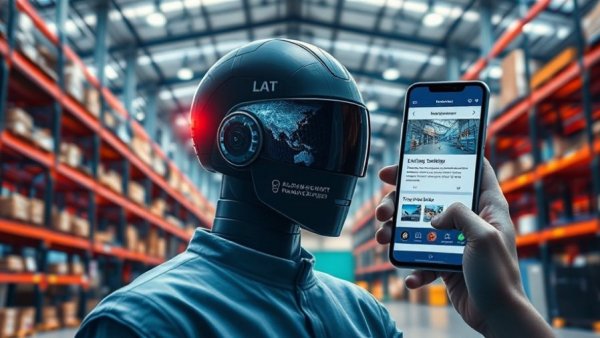
AI system detecting safety violations for workplace safety compliance

A Deep Dive into AI-Driven Safety Management

As industries embrace technology, AI has emerged as a leading tool for improving safety in the workplace. Understanding how AI detects safety violations and manages corrective actions is crucial for organizations aiming to enhance their safety protocols. Research from the American Society of Safety Professionals indicates that a significant number of safety professionals, about 86%, are now exploring or scaling AI solutions. However, a challenge remains: over half of these professionals cite mistrust in AI as a significant barrier to its adoption. So, what occurs once AI spots a safety breach?

Stages Followed After AI Detects a Safety Violation

The journey from detecting a safety violation to implementing corrective actions involves several critical stages. These stages ensure that alerts lead to effective interventions. The key stages include:

  • Detect: AI identifies a potential hazard through surveillance, such as a worker entering a restricted area.
  • Review: Safety teams examine the alert, assessing evidence through collected footage.
  • Escalate: If a genuine concern is identified, the alert is elevated for formal reporting.
  • Report: An incident report is generated, documenting all relevant details.
  • Assign: Accountability is established by designating a responsible party for corrective actions.
  • Resolve and Verify: Actions taken are checked for effectiveness to close the incident loop.

This comprehensive workflow ensures an organized response to safety issues and promotes a culture of accountability within the organization.

How AI Facilitates the Review Process

Notably, the review process is where AI's potential shines. After an alert is raised, safety professionals utilize mobile devices or computers to review the situation critically. They must sift through AI-generated data—which may include video footage, images, and alert details—to verify the situation accurately. If a potential violation is confirmed, it becomes an incident worthy of follow-up. For example, consider a scenario where a worker is detected in a restricted zone. The supervisor must determine if this was an authorized action or if it contravened established protocols.

Behavior Analysis: Identifying Patterns in Safety Violations

Additionally, AI systems can analyze recurrent safety violations, helping companies improve their protocols. Recognizing patterns can inform safety teams on which behaviors need to be targeted for training and awareness. For instance, if a specific group of workers consistently fails to adhere to safety measures in particular zones, targeted interventions can curb these violations.

The Importance of Human Oversight

Despite the sophistication of AI, human oversight is essential. While AI can detect and log alerts, humans are vital in interpreting the context surrounding these incidents. A computer may generate thousands of alerts, but only a trained professional can evaluate the nuances involved—carrying out thorough investigations to differentiate between false alarms and genuine breaches of safety protocol. This ensures a disciplined approach to safety management, fostering trust in the technology while maintaining accountability.

Connecting Detection With Corrective Action

viAct’s technology exemplifies the integration of detection and corrective action in safety management systems. It not only detects violations but also facilitates the necessary responses. This integrated approach minimizes time lost in response and maximizes safety in operational environments, illustrating the need for technologies that connect monitoring and action.

Future Predictions: The Role of Technology in Safety Compliance

As AI technology continues to evolve, we can expect enhanced functionalities that will further optimize safety processes. Future systems could leverage machine learning to predict hazardous conditions before they happen, effectively shifting from reactive to proactive safety measures. Incorporating such technology can lead to unprecedented improvements in operational safety compliance.

Conclusion: Taking Action in Safety Management

AI-powered systems undoubtedly offer advanced capabilities to improve workplace safety. However, the integration of human oversight and engagement in managing AI processes remains essential to effectively address and resolve safety violations. Organizations striving to enhance safety protocols should embrace these technologies while cultivating a culture of trust and transparency. Are you ready to leverage AI in your safety management process? Enhance your workplace safety by understanding the complete journey of AI in safety compliance!

Technology & Software

5 Views

0 Comments

Write A Comment

*
*
Please complete the captcha to submit your comment.
Related Posts All Posts
11.21.2026

How Suffolk's Innovative Construction Tactics Are Setting New Standards

Update Revolutionizing Construction: Suffolk's Tech-Driven Approach Suffolk Construction has reached a significant milestone with the successful completion of Gilead Sciences' Research Center in Foster City, California. This impressive $847 million project showcases the transformative impact of various cutting-edge technologies that are reshaping the construction landscape. These advancements not only streamline the building process but also pave the way for future innovations in how we manage complex facilities effectively. Utilizing Diverse Technologies for Effective Project Management To efficiently manage the complexity of the Gilead facility, Suffolk incorporated a suite of technological solutions tailored to overcome specific challenges associated with modern construction. OpenSpace, a leading provider in construction management software, contributed to layout finalization, allowing for enhanced site visibility. At the same time, Dusty Robotics enabled precise progress tracking across job sites through their advanced robotics technology. Meanwhile, Kaya AI played a crucial role in optimizing procurement management, making it easier for the contractor to source quality materials in a timely manner. Additionally, Alice Technologies streamlined sequencing processes, ensuring that each phase of construction followed a carefully coordinated timeline. This multifaceted approach not only increased operational efficiency but also significantly reduced the potential for human error, thus enhancing overall project outcomes and maintaining strict deadlines. Future Flexibility: Designing Adaptable Spaces The design philosophy behind the Gilead Research Center places a strong emphasis on adaptability and future-proofing the facility. To achieve this, Suffolk implemented movable interior panels that allow for swift reconfiguration of laboratory spaces without the need for extensive demolition. This forward-thinking approach is crucial, as Gilead’s research needs are expected to evolve over time, necessitating a flexible interior layout that can respond to new scientific priorities. Furthermore, the facility has been equipped with ample power and data connections, which facilitates future technology integration and allows Gilead to keep pace with technological advancements in their research work. Integrating AI for Innovation Suffolk’s commitment to innovation extends beyond the Gilead project. Its Jobsites of the Future initiative aims to embed artificial intelligence engineers across projects. This strategic move is focused on enhancing decision-making and overall efficiency by harnessing the power of data analytics. As the construction landscape becomes more complex and fast-paced, the ability to make informed decisions quickly is paramount. Embracing AI technology not only optimizes project performance but positions Suffolk at the forefront of industry trends, where companies are increasingly relying on data-driven insights to navigate the rapidly changing construction environment. The Impact of Remote Demolition Technologies The construction industry is experiencing a significant shift towards more specialized technologies, particularly regarding demolition processes. At the Gilead site, remote-demolition robots—capable of safely and efficiently removing heavy materials—were utilized to clear over 18,000 square feet of platform tile and concrete topping slab. This innovative method not only minimizes safety risks associated with traditional demolition but also enhances overall productivity on site. By employing these advanced machines, Suffolk can execute intricate demolition tasks while maintaining a safer construction environment for all workers. Emphasizing the Importance of Technology in Construction The integration of advanced technological solutions is becoming increasingly crucial as construction projects grow in scale and complexity. Suffolk’s approach to the Gilead Research Center exemplifies how leveraging modern technologies can lead to smarter, safer, and more efficient building practices. As the industry confronts the demands of larger projects and tighter schedules, Suffolk’s experiences serve as a case study in the importance of adopting and integrating technology early in the planning process. With technology taking center stage, tradeworkers and decision-makers alike must adapt swiftly to maintain a competitive edge. Conclusion: Embrace Technology for Future Projects As the construction sector continues to evolve, professionals in key roles such as project control managers, estimators, and schedulers must not only adapt but also fully embrace these technological advancements. Understanding the landscape of contech, and implementing these sophisticated solutions can significantly enhance project outcomes and stakeholder satisfaction. To stay ahead in this rapidly transforming industry, it is crucial to keep a keen eye on emerging trends, firmly rooted in efficiency, safety, and sustainability. The success of the Gilead Research Center stands as a testament to the positive effects of integrating technology in construction, inspiring future projects that prioritize innovation and adaptability.

11.19.2026

How MasTec’s Partnership with Gritt is Shaping Renewables with AI

Update Exploring the Future of Construction with Physical AI In an era where technology shapes the fabric of industries, MasTec, a prominent energy construction firm, is taking significant steps towards integrating artificial intelligence into its renewable energy projects by partnering with Gritt, a startup specializing in robotic attachments. This collaboration promises to revolutionize job sites by employing Gritt's AI-powered systems, which are designed to enhance construction efficiency and precision. The Significance of the Partnership The arrangement between MasTec and Gritt highlights a growing trend in construction: the adoption of physical AI. Gritt's tools, which can fit onto machinery like skid steers and forklifts, are designed to perform complex physical tasks such as material transport and precise placement. This is particularly beneficial in the renewable energy sector, which is experiencing rapid growth, especially in utility-scale solar installations. This initial deployment on MasTec's solar projects signifies a pivotal step towards fully automated job sites. Learning from Real-World Applications MasTec's decision to use Gritt's technology stems from field tests that demonstrated the efficacy of these AI systems in real construction scenarios. The ability of Gritt's tools to learn and adapt to various physical tasks could lead to substantial improvements in worker productivity and site safety. By operating alongside human workers who guide AI processes, the equipment not only assists but also learns, creating a unique partnership that can evolve with each project. Transforming Challenges into Opportunities As the renewable energy industry faces challenges such as labor shortages and the need for greater efficiency, the introduction of AI and robotics provides new opportunities. With Gritt's innovative technology, traditional roles on construction sites may shift, allowing engineers and laborers to focus on more complex decision-making tasks while the robotic attachments handle routine physical labor. This evolution represents a significant change in how projects are planned and executed. Funding Trends That Drive Innovation The construction industry is not new to innovation, but the recent influx of funding into physical AI startups underscores a shift towards a more technology-driven approach. Gritt's successful fundraising, totaling over $32 million in its first few months, is in line with other firms in the sector, such as FieldAI and Gravis Robotics, which recently secured $405 million and $200 million, respectively. Such investments indicate a robust belief in the transformative potential of AI in construction. What This Means for Construction Professionals For mid-to-senior level professionals such as project control managers and estimators, understanding the implications of AI technologies is crucial. The partnership between MasTec and Gritt not only shows a commitment to modernization but also presents an opportunity for these professionals to rethink project management strategies. With the power of AI, decision-making processes can be enriched through data-driven insights gained from AI analytics. Taking A Step Towards Sustainable Practices This collaboration aligns with the broader goal of enhancing sustainability within the construction sector. By improving efficiency and reducing waste through smart technologies, companies like MasTec are setting a precedent for future projects. The integration of autonomous systems can potentially lead to a model of construction that is both economically viable and environmentally friendly. Conclusion: Embracing Change in Construction The partnership between MasTec and Gritt is more than just a technological upgrade; it is a glimpse into the future of construction. As automation and AI take center stage, professionals in the industry must adapt and embrace these innovations. It is an exciting time to consider how these changes can optimize project efficiency and lead to sustainable practices. Now is the time to join the conversation and explore how you can leverage technology in your own projects.

11.18.2026

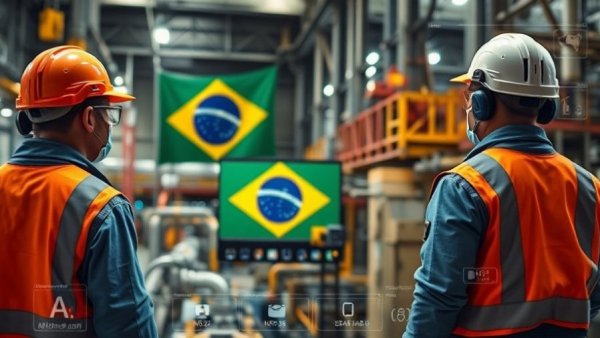
How Can AI Video Analytics Enhance Industrial Safety Monitoring in Brazil?

Update How AI Video Analytics Can Transform Industrial Safety in BrazilBrazilian industry faces a critical juncture as occupational accidents have surged dramatically, peaking at 806,011 incidents and 3,644 work-related fatalities in 2025. This alarming trend has put immense pressure on industrial safety protocols and regulatory compliance, particularly under Brazilian standards NR-12 and NR-35, which govern machinery safety and work at height, respectively. In reflecting on the current landscape, it becomes evident that traditional safety measures need augmentation by innovative technologies—specifically AI video analytics.The Growing Need for Safety Measures in Brazilian IndustriesAs workplace accidents increase, the requirement for stringent safety measures becomes paramount. According to the Ministry of Labour and Employment, from 2016 to 2025, Brazil recorded over 6.4 million accidents, leading to 27,486 deaths. With these figures in mind, safety managers are compelled to explore effective methods to preemptively identify hazards and mitigate risks. AI video analytics can provide real-time monitoring to address the challenges posed by common unsafe practices in industries, offering a keen eye on operations that are often overlooked during conventional safety inspections.Understanding NR-12 and NR-35 StandardsNR-12 is fundamental in ensuring machine safety and stipulates minimum requirements for the design and use of machinery. These requirements prioritize collective protection measures over administrative or individual means, ensuring that workplaces are designed to protect employees from inherent dangers. On the other hand, NR-35 focuses on establishing guidelines for safe operations when working at height. These frameworks create a robust safety culture, mandating that plants engage comprehensive safety strategies, including the integration of advanced monitoring solutions such as AI.How AI Video Analytics Integrates with Existing ProtocolsAI video analytics stands out as a viable solution to bridge the gaps between scheduled safety checks. By employing suitable CCTV systems, plants can monitor high-risk areas, triggering automatic alerts for safety personnel as issues arise. This innovation does not seek to replace human oversight but rather to enhance the visibility of operational safety, enabling organizations to swiftly address unsafe conditions before accidents occur.Key Risks Monitored Using AI in NR-12 and NR-35AI video analytics can specifically monitor risks associated with NR-12 and NR-35 protocols. For instance, the AI systems can identify when operators place their hands near moving parts—a frequent cause of accidents—thus prompting timely intervention. Similarly, AI can detect instances of guards being removed or bypassed, or employees attempting non-routine tasks at height without proper safety measures. Such proactive monitoring can save lives and reduce the number of workplace injuries significantly.Beyond Compliance: The Value of AI MonitoringFor project control managers and risk engineers, the decision to implement AI monitoring goes beyond mere compliance with regulatory standards. It signals a shift towards a more robust safety culture within the organization. AI video analytics not only streamline operations but also foster an environment where safety becomes a shared responsibility among all employees. The ability to document and analyze incidents enhances organizational learning, leading to improved future practices and safety awareness among team members.Conclusion: A Call to Action for Industrial Safety LeadershipAs industrial standards continue to evolve, so too must the strategies employed to safeguard workers in Brazil. Innovations like AI video analytics offer unprecedented opportunities for capturing workplace dynamics, yet they require commitment from leadership to incorporate fully. Plant managers and safety professionals must act now, leveraging cutting-edge technologies to not only meet compliance requirements but to create safer working environments across every sector. The future of occupational safety rests on our ability to adapt and innovate—embrace it.

WorldPulse News

Write a small description of your business and the core features and benefits of your products.

COMPANY

  • Privacy Policy
  • Terms of Use
  • Advertise
  • Contact Us
  • Menu 5
  • Menu 6

864 535 6456

AVAILABLE FROM 8AM - 5PM

City, State

, ,

ABOUT US

Write a small description of your business and the core features and benefits of your products.

© 2026 CompanyName All Rights Reserved. Address . Contact Us . Terms of Service . Privacy Policy

Terms of Service

Privacy Policy

Core Modal Title

Sorry, no results found

You Might Find These Articles Interesting

T
Please Check Your Email
We Will Be Following Up Shortly
*
*
*