


Revolutionizing Construction: Suffolk's Tech-Driven Approach
Suffolk Construction has reached a significant milestone with the successful completion of Gilead Sciences' Research Center in Foster City, California. This impressive $847 million project showcases the transformative impact of various cutting-edge technologies that are reshaping the construction landscape. These advancements not only streamline the building process but also pave the way for future innovations in how we manage complex facilities effectively.
Utilizing Diverse Technologies for Effective Project Management
To efficiently manage the complexity of the Gilead facility, Suffolk incorporated a suite of technological solutions tailored to overcome specific challenges associated with modern construction. OpenSpace, a leading provider in construction management software, contributed to layout finalization, allowing for enhanced site visibility. At the same time, Dusty Robotics enabled precise progress tracking across job sites through their advanced robotics technology. Meanwhile, Kaya AI played a crucial role in optimizing procurement management, making it easier for the contractor to source quality materials in a timely manner. Additionally, Alice Technologies streamlined sequencing processes, ensuring that each phase of construction followed a carefully coordinated timeline. This multifaceted approach not only increased operational efficiency but also significantly reduced the potential for human error, thus enhancing overall project outcomes and maintaining strict deadlines.
Future Flexibility: Designing Adaptable Spaces
The design philosophy behind the Gilead Research Center places a strong emphasis on adaptability and future-proofing the facility. To achieve this, Suffolk implemented movable interior panels that allow for swift reconfiguration of laboratory spaces without the need for extensive demolition. This forward-thinking approach is crucial, as Gilead’s research needs are expected to evolve over time, necessitating a flexible interior layout that can respond to new scientific priorities. Furthermore, the facility has been equipped with ample power and data connections, which facilitates future technology integration and allows Gilead to keep pace with technological advancements in their research work.
Integrating AI for Innovation
Suffolk’s commitment to innovation extends beyond the Gilead project. Its Jobsites of the Future initiative aims to embed artificial intelligence engineers across projects. This strategic move is focused on enhancing decision-making and overall efficiency by harnessing the power of data analytics. As the construction landscape becomes more complex and fast-paced, the ability to make informed decisions quickly is paramount. Embracing AI technology not only optimizes project performance but positions Suffolk at the forefront of industry trends, where companies are increasingly relying on data-driven insights to navigate the rapidly changing construction environment.
The Impact of Remote Demolition Technologies
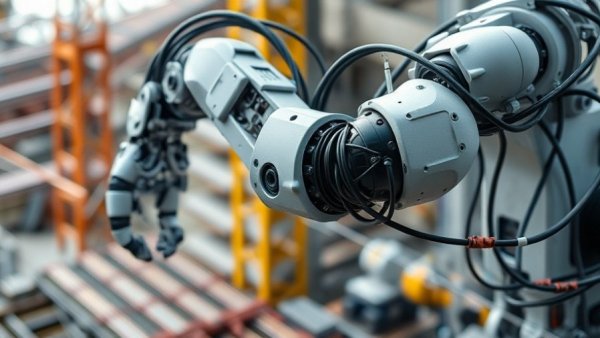
The construction industry is experiencing a significant shift towards more specialized technologies, particularly regarding demolition processes. At the Gilead site, remote-demolition robots—capable of safely and efficiently removing heavy materials—were utilized to clear over 18,000 square feet of platform tile and concrete topping slab. This innovative method not only minimizes safety risks associated with traditional demolition but also enhances overall productivity on site. By employing these advanced machines, Suffolk can execute intricate demolition tasks while maintaining a safer construction environment for all workers.
Emphasizing the Importance of Technology in Construction
The integration of advanced technological solutions is becoming increasingly crucial as construction projects grow in scale and complexity. Suffolk’s approach to the Gilead Research Center exemplifies how leveraging modern technologies can lead to smarter, safer, and more efficient building practices. As the industry confronts the demands of larger projects and tighter schedules, Suffolk’s experiences serve as a case study in the importance of adopting and integrating technology early in the planning process. With technology taking center stage, tradeworkers and decision-makers alike must adapt swiftly to maintain a competitive edge.
Conclusion: Embrace Technology for Future Projects
As the construction sector continues to evolve, professionals in key roles such as project control managers, estimators, and schedulers must not only adapt but also fully embrace these technological advancements. Understanding the landscape of contech, and implementing these sophisticated solutions can significantly enhance project outcomes and stakeholder satisfaction. To stay ahead in this rapidly transforming industry, it is crucial to keep a keen eye on emerging trends, firmly rooted in efficiency, safety, and sustainability. The success of the Gilead Research Center stands as a testament to the positive effects of integrating technology in construction, inspiring future projects that prioritize innovation and adaptability.




Write A Comment