

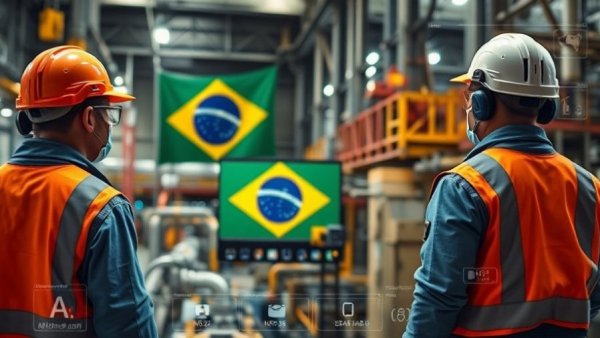
How AI Video Analytics Can Transform Industrial Safety in Brazil
Brazilian industry faces a critical juncture as occupational accidents have surged dramatically, peaking at 806,011 incidents and 3,644 work-related fatalities in 2025. This alarming trend has put immense pressure on industrial safety protocols and regulatory compliance, particularly under Brazilian standards NR-12 and NR-35, which govern machinery safety and work at height, respectively. In reflecting on the current landscape, it becomes evident that traditional safety measures need augmentation by innovative technologies—specifically AI video analytics.
The Growing Need for Safety Measures in Brazilian Industries
As workplace accidents increase, the requirement for stringent safety measures becomes paramount. According to the Ministry of Labour and Employment, from 2016 to 2025, Brazil recorded over 6.4 million accidents, leading to 27,486 deaths. With these figures in mind, safety managers are compelled to explore effective methods to preemptively identify hazards and mitigate risks. AI video analytics can provide real-time monitoring to address the challenges posed by common unsafe practices in industries, offering a keen eye on operations that are often overlooked during conventional safety inspections.
Understanding NR-12 and NR-35 Standards
NR-12 is fundamental in ensuring machine safety and stipulates minimum requirements for the design and use of machinery. These requirements prioritize collective protection measures over administrative or individual means, ensuring that workplaces are designed to protect employees from inherent dangers. On the other hand, NR-35 focuses on establishing guidelines for safe operations when working at height. These frameworks create a robust safety culture, mandating that plants engage comprehensive safety strategies, including the integration of advanced monitoring solutions such as AI.
How AI Video Analytics Integrates with Existing Protocols
AI video analytics stands out as a viable solution to bridge the gaps between scheduled safety checks. By employing suitable CCTV systems, plants can monitor high-risk areas, triggering automatic alerts for safety personnel as issues arise. This innovation does not seek to replace human oversight but rather to enhance the visibility of operational safety, enabling organizations to swiftly address unsafe conditions before accidents occur.
Key Risks Monitored Using AI in NR-12 and NR-35
AI video analytics can specifically monitor risks associated with NR-12 and NR-35 protocols. For instance, the AI systems can identify when operators place their hands near moving parts—a frequent cause of accidents—thus prompting timely intervention. Similarly, AI can detect instances of guards being removed or bypassed, or employees attempting non-routine tasks at height without proper safety measures. Such proactive monitoring can save lives and reduce the number of workplace injuries significantly.
Beyond Compliance: The Value of AI Monitoring
For project control managers and risk engineers, the decision to implement AI monitoring goes beyond mere compliance with regulatory standards. It signals a shift towards a more robust safety culture within the organization. AI video analytics not only streamline operations but also foster an environment where safety becomes a shared responsibility among all employees. The ability to document and analyze incidents enhances organizational learning, leading to improved future practices and safety awareness among team members.
Conclusion: A Call to Action for Industrial Safety Leadership
As industrial standards continue to evolve, so too must the strategies employed to safeguard workers in Brazil. Innovations like AI video analytics offer unprecedented opportunities for capturing workplace dynamics, yet they require commitment from leadership to incorporate fully. Plant managers and safety professionals must act now, leveraging cutting-edge technologies to not only meet compliance requirements but to create safer working environments across every sector. The future of occupational safety rests on our ability to adapt and innovate—embrace it.



Write A Comment