
cropper
The Project Controls Daily
  • Home
  • Categories
    • Cost Management
    • Schedule Management
    • Risk Management
    • Technology & Software
    • Certification & Career Development
    • ESG & Sustainable projects
    • Best Practices & Case Studies
    • Regulatory & Compliance
    • Leadership & Management
    • News & Trends
November 12.2026
3 Minutes Read

Gilbane's $114 Million Project at Kodiak Coast Guard: Crucial Infrastructure Upgrade

U.S. Coast Guard cutter docked for Alaska water infrastructure project

Gilbane's Major Win: A $114 Million Chance to Modernize

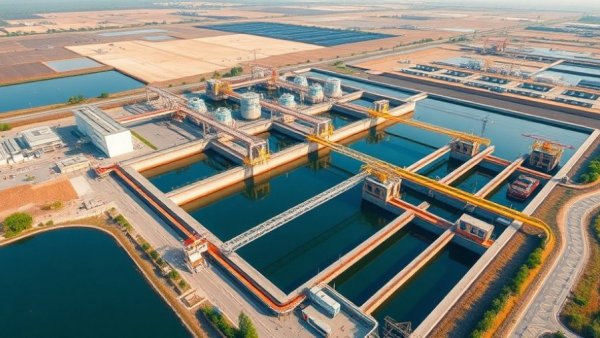
Gilbane Federal is set to significantly enhance the water distribution infrastructure at the U.S. Coast Guard's Base Kodiak in Alaska, having secured a contract worth $114 million. This base, which stands as the Coast Guard's largest operational installation, will benefit from extensive upgrades aimed to improve water delivery and fire suppression systems. As part of the project, Gilbane will replace over 8 miles of water distribution lines and upgrade four large-scale storage tanks. Such modernization is crucial not only for operational efficacy but also for the safety and well-being of service members and their families stationed there.

Understanding the Infrastructure Investment

The funding for this significant infrastructure enhancement comes from the One Big Beautiful Bill Act, a federal initiative aimed at bolstering defense-related construction projects. This act has provided the Coast Guard with $25 billion, enabling it to invest in new assets and capabilities, including comprehensive improvements to shore facilities. Besides the water infrastructure upgrades, Base Kodiak is also seeing the construction of a new fuel pier and housing units for families, further illustrating the expansive scope of investment being made to support military families and operational capabilities.

A Stark Reminder of the Coast Guard's Strategic Value

Base Kodiak isn't just any military installation; it plays a pivotal role in U.S. maritime security. As the designated future home port for two anticipated Arctic Security Cutters, Base Kodiak is central to safeguarding critical shipping lanes and energy resources in polar regions. Rear Adm. Jon Hickey emphasized this strategic importance when stating that the $114 million investment aligns with objectives for expanding the Coast Guard’s polar fleet and maintaining mission readiness.

Broader Implications for Infrastructure Projects

This ongoing project at Base Kodiak reflects broader trends in defense construction. Across the nation, improvements are being implemented in various facilities, including a $173.7 million modernization project in Seattle and major upgrades in Cape May, New Jersey, and Charleston, South Carolina, totaling $612 million. Such developments not only enhance the Coast Guard's operational efficiency but also signify a reinforced commitment by the federal government to invest in supporting military readiness.

Key Takeaways for Project Managers

For professionals involved in project management and construction, this monumental upgrade at Base Kodiak serves multiple lessons. The investment underscores the importance of adapting infrastructure to meet evolving operational needs and the benefits of secure funding channels—like those provided by federal legislation. Furthermore, the collaborative effort required for such expansive projects, which involves complex coordination among contractors and agencies, highlights the need for effective project control methodologies.

Conclusion

The $114 million contract awarded to Gilbane Federal is just one example of how infrastructure improvements are fostered by legislative backing and strategic planning. Project control managers, cost engineers, and other professionals should closely monitor these developments as they represent burgeoning opportunities and challenges in the field of military infrastructure. As the Coast Guard continues to modernize its facilities, the lessons learned will undoubtedly have implications for future projects across various sectors.
News & Trends

11 Views

0 Comments

Write A Comment

*
*
Please complete the captcha to submit your comment.
Related Posts All Posts
11.21.2026

How Digital Twins Are Revolutionizing Water Utility Management

Update Understanding the Role of Digital Twins in Water ManagementIn the world of water utilities, challenges abound, especially as many systems grapple with aging infrastructure. Traditional methods often fall short in diagnosing failures and managing repairs over vast distances. Enter digital twins—a revolutionary approach utilising real-time data to transform water management.Digital twins are virtual replicas of physical utilities, integrating Geographic Information Systems (GIS) with real-time data to create a 'live' model of the water infrastructure. This integration provides utility managers with a comprehensive view of their systems, enabling them to anticipate issues before they escalate and maintain optimal operational efficiency. These digital models not only enhance day-to-day operations but also provide long-term strategies for upgrades and expansions.Leveraging Technology for Improved Asset ManagementFor instance, in Nashua, New Hampshire, Pennichuck Water Works has embraced this technology to bolster its asset management program. By harnessing advanced GIS and 3D scanning techniques, the utility has transitioned from traditional methods to a more data-driven approach, significantly enhancing their asset visibility and operational effectiveness. This modernization is a critical element, especially for utilities that are managing large networks of pipes, pumps, and treatment facilities.“We’ve invested in identifying all our assets digitally, using high-precision laser scanning,” explains Erin Holmes, the director of engineering at Pennichuck. “This has enabled us to merge our horizontal infrastructure with vertical assets like pump stations more seamlessly, providing a comprehensive operational picture.” This initiative not only streamlines maintenance processes but also aids in compliance with regulatory requirements, which is becoming increasingly important in the water sector.Future Predictions: A New Standard for UtilitiesAs we move forward, the shift toward digital twins will redefine standards across the water utility sector. Experts forecast that by integrating predictive analytics, utilities will not only streamline operations but also enhance service delivery. For example, using these models could enable rapid responses to pipeline failures, reducing downtime and maintenance costs. Utilities that implement these technologies can also expect to improve their emergency response times, ensuring that their communities receive uninterrupted services, which is critical during times of crisis.Valuable Insights Gained from Case StudiesCase studies like that of Pennichuck indicate the immense potential for savings and efficiency gains. With 193 pumps and 115 wells to monitor, their approach led to better decision-making and resource allocation. This proactive methodology suggests a growing trend where utilities will be expected to adopt similar technologies, creating a more resilient infrastructure overall. Additionally, these case studies showcase how digital twins can help preserve institutional knowledge, which is vital as seasoned workers retire and new staff are trained on advanced systems.Common Misconceptions about Digital TwinsDespite the obvious benefits, some stakeholders still remain skeptical about the application of digital twins. The misconception that this technology is only for large utilities has been thoroughly disproven. Smaller agencies, too, can leverage digital twins to enhance their operations and maintain sustainable practices. This democratization of technology means that any utility, regardless of size, can implement innovations that lead to better efficiency and service reliability.Practical Insights and Tips for ImplementationIf you’re part of a utility considering adopting digital twin technologies, start by assessing your current data infrastructure. Collaborate with technology partners to tailor solutions that fit your organization's unique needs and challenges. Moreover, investing in staff training will be essential to harness the full potential of this technology. Building a culture that embraces innovation will enable your utility to adapt quickly and efficiently.It's also wise to consider phased implementation, starting with critical assets before expanding the technology across your entire network. This helps in managing costs while ensuring that systems are understood and utilized effectively. Engaging stakeholders early in the process is necessary to foster collaboration and buy-in, making the transition smoother.Conclusion: Embracing the Future of Water UtilitiesDigital twins are transforming how water utilities function, presenting a smarter way to manage assets and resources. Staying ahead of these trends is not just beneficial but necessary for effective operation. Achieving a modernized approach to water management could pave the way for sustainable solutions in the industry. The trajectory of digital innovation in water utilities implies that the future will be data-driven, and embracing this change now is essential for utilities aiming to lead in efficiency and sustainability.

11.20.2026

Transforming Data Centers: How Innovations Make Them More Community Friendly

Update Creating Community-Friendly Data Centers: A Shift in Perspective As technology continues to evolve and reshape our landscapes, data centers are transforming from cold, towering structures into community-friendly assets. This shift is underscored by Mihir Nandkeolyar, the solutions architecture chief at Johnson Controls. Through advanced innovations in cooling systems, noise reduction, and heat reuse, these facilities are positioned to address longstanding concerns from local communities. This transformation reflects broader trends in sustainable architecture and urban planning. Innovative Technologies Driving Change Modern data centers are at the forefront of technological advancement. Innovative compressors, advanced fan designs, and waterless systems are not just buzzwords; they represent a tangible shift toward sustainability. These technology breakthroughs help mitigate environmental impacts by reducing water usage and energy consumption, which is particularly critical in regions facing water scarcity. In a world grappling with climate challenges, implementing such responsible systems not only benefits the environment but also aligns data centers with community goals, making them more acceptable to local residents. Noise Reduction and Community Relations One significant concern from the public regarding data centers has been noise pollution. Traditional cooling systems can be loud, causing disturbances in nearby residential areas and diminishing the quality of life for local inhabitants. Innovations like effective noise attenuation systems are essential in alleviating this concern. Companies like Johnson Controls are prioritizing the design of quieter operations, which can foster better relationships with surrounding communities and local governments. By minimizing noise, data centers can contribute to a more peaceful environment, encouraging towns to view them as partners rather than nuisances. Heat Reuse: A Win-Win Scenario Data centers generate a substantial amount of waste heat, which, if not utilized, is effectively lost energy. However, heat reuse initiatives allow this byproduct to be redirected, providing heating for adjacent facilities or residential complexes. For instance, this excess heat can be used to warm the water supply in neighboring homes or to provide heating for community centers, reducing energy costs for those facilities. This approach not only enhances energy efficiency but also underscores the role of data centers as integral parts of urban infrastructure, encouraging sustainable practices across the board. Future Opportunities for Sustainable Design Looking ahead, the trend toward more community-focused data centers is not just about immediate solutions. Emerging strategies emphasize the importance of integrating data centers into the fabric of urban environments, with designs that prioritize community needs and engagement. With advancing technology, we can anticipate more buildings that don't merely exist next to communities but actively contribute to their improvement. For example, some developers are exploring mixed-use facilities that combine data centers with retail or green spaces, creating new opportunities for community interaction and benefit. Real-World Case Studies Several data center projects have already begun embracing these innovations. For example, the new data center in a mid-sized city incorporates advanced cooling technology while being designed with soundproofing features that significantly reduce noise levels. Its collaboration with local officials to integrate a heat reuse plan has set a benchmark for future developments. Such case studies provide valuable models for industry professionals seeking to balance technological advancements with community needs. Concluding Thoughts: Actions for a Sustainable Future As project control managers, cost engineers, and other professionals closely involved in planning and executing construction projects, it’s crucial to keep these innovations on your radar. Prioritizing community-friendly practices not only enhances a project’s reputation but also aligns with a broader movement toward sustainable development. As consumer awareness and environmental regulations continue to rise, embracing these innovations can provide a competitive advantage. Together, we can ensure that technological advancements contribute positively to our collective living spaces. For those in the industry, staying informed about these changing dynamics is imperative, as they represent a significant opportunity for future projects. Crafting thoughtful strategies today will lay the groundwork for a more sustainable and community-centered tomorrow.

11.20.2026

How Community-Friendly Innovations Are Shaping Modern Data Centers

Update Understanding the Role of Data Centers in CommunitiesAs technology becomes more integrated into daily life, data centers have become essential for supporting our digital infrastructure. However, the rapid increase in their presence has also sparked concerns among local communities. Noise, energy use, and land impact are some of the main issues people face. But what if these facilities could adapt to be more community-friendly? As Mihir Nandkeolyar from Johnson Controls points out, there are significant innovations underway that promise to address these challenges without sacrificing the efficiency that data centers provide.Innovations That Can Change PerceptionsNandkeolyar highlights several innovations that can transform the way data centers operate, thereby improving their relationship with nearby residents. One key area is the introduction of advanced compressors and fans that minimize noise pollution. This reduction in noise can significantly improve the quality of life for those living close to data centers.Additionally, he discusses the development of waterless cooling systems, which drastically cut down on water consumption — a critical consideration in regions facing water scarcity. Furthermore, heat reuse technologies allow data centers to repurpose the energy they generate, potentially providing additional heating for neighboring residential areas or commercial buildings. This practice not only enhances efficiency but also fosters a symbiotic relationship with the community.The Importance of Green TechnologiesThe integration of sustainable practices has never been more crucial. Modern data centers are now being designed with a focus on environmental responsibility. This shift encompasses energy-efficient systems that reduce carbon footprints and the implementation of renewable energy sources like solar and wind power to drive operations. As a result, data centers can find a way to coexist harmoniously with their surroundings while also contributing to broader climate goals.Addressing Community ConcernsProactively addressing community concerns builds trust and promotes collaboration between data center operators and residents. Studies have shown that when facility operators engage with the communities they impact, outcomes are often more favorable. By openly discussing plans regarding facility operation, maintenance, and innovations, data centers can alleviate fears and allow residents to see the tangible benefits of having such infrastructure close by.Future Trends in Data Center DevelopmentLooking forward, we can anticipate an increase in the adoption of these community-engaged strategies. Data centers will not only focus on operational efficiency but also prioritize reducing their external impact. According to industry reports, data centers are expected to increasingly utilize smart technologies and IoT integration to optimize resources and minimize waste. This progressive approach is likely to set new standards in facility design across the globe.A Call for Continued InnovationAs the landscape of digital operations evolves, it is imperative that data centers keep pace with community expectations and environmental standards. Investments in research and development will be crucial in facilitating this shift. Ongoing discussions about the future of data centers should include input from various stakeholders, including local residents, policymakers, and energy experts.In conclusion, as Mihir Nandkeolyar has emphasized, technology has now reached a point where it can not only serve its operational functions but also create a positive impact on communities. The commitment to community-friendly innovations represents a vital opportunity for data centers to thrive in a manner that respects and enhances the areas in which they operate. We encourage industry professionals to share insights, collaborate on practices, and advocate for solutions that prioritize community welfare in future data center projects.

WorldPulse News

Write a small description of your business and the core features and benefits of your products.

COMPANY

  • Privacy Policy
  • Terms of Use
  • Advertise
  • Contact Us
  • Menu 5
  • Menu 6

864 535 6456

AVAILABLE FROM 8AM - 5PM

City, State

, ,

ABOUT US

Write a small description of your business and the core features and benefits of your products.

© 2026 CompanyName All Rights Reserved. Address . Contact Us . Terms of Service . Privacy Policy

Terms of Service

Privacy Policy

Core Modal Title

Sorry, no results found

You Might Find These Articles Interesting

T
Please Check Your Email
We Will Be Following Up Shortly
*
*
*