
cropper
The Project Controls Daily
  • Home
  • Categories
    • Cost Management
    • Schedule Management
    • Risk Management
    • Technology & Software
    • Certification & Career Development
    • ESG & Sustainable projects
    • Best Practices & Case Studies
    • Regulatory & Compliance
    • Leadership & Management
    • News & Trends
November 23.2026
3 Minutes Read

Revolutionizing Logistics: How AI Improves Driver Fatigue Detection

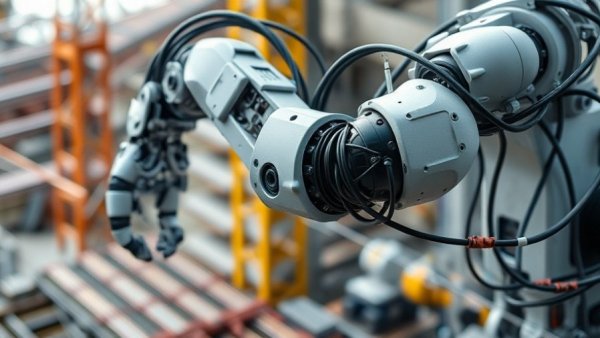
AI improves driver fatigue detection in logistics warehouse.

The Growing Challenge of Driver Fatigue in Logistics

In today’s fast-paced logistics industry, driver fatigue has emerged as a significant challenge affecting safety and operational efficiency. Distracted or tired drivers not only risk their lives but also compromise the safety of others on the road. Data from the National Highway Traffic Safety Administration indicates that fatigue contributes to approximately 100,000 car crashes each year in the U.S. alone. The ramifications extend beyond physical injuries, with economic implications such as liability claims, increased insurance costs, and damage to company reputation. Given the logistical strain of timely deliveries, it becomes crucial for companies to adopt innovative technologies aimed at addressing this pressing issue.

How AI Can Transform Driver Fatigue Detection

Artificial Intelligence (AI) has ushered in a new era of possibilities in addressing driver fatigue. Utilizing advanced algorithms, AI can analyze drivers' behavior in real-time by monitoring key indicators, such as eye movements, facial expressions, and even physiological signs. This technology detects signs of drowsiness or distraction and alerts the driver promptly, ensuring that they can take necessary breaks before fatigue escalates. Moreover, some AI systems can predict fatigue levels based on patterns and historical data, allowing for preventive measures before the driver even feels tired.

The Benefits of Integrating AI into Logistics

The integration of AI-powered fatigue detection systems offers significant advantages for logistics operations. Firstly, it promotes safety by reducing the risk of accidents due to drowsiness. Companies benefit from decreased liability risks, potentially lowering insurance premiums and improving their overall safety ratings. Additionally, these systems enhance operational efficiency by reducing downtime associated with accidents and driver unproductivity. With fewer accidents, logistics firms can maintain their scheduling integrity, which is often critical for customer satisfaction.

Practical Insights: Implementing AI in Organizations

To leverage the benefits of AI for fatigue detection, organizations must first invest in suitable technologies. This process begins with a comprehensive assessment of existing systems and identifying areas that would gain from AI integration. Training drivers to understand and trust these technologies is also vital. Furthermore, organizations should establish a feedback loop where drivers can share their experiences with the AI tools. This ensures that the system can continuously evolve based on real-world applications. Moreover, combining AI solutions with continuous educational programs on fatigue management can create an overall culture of safety, reinforcing the idea that driver well-being and company performance are intertwined.

Future Predictions: Where AI in Logistics Is Heading

As technology evolves, we can expect AI applications in logistics to become even more sophisticated. Future innovations may include fully integrated systems that connect driver fatigue monitoring with route optimization, allowing companies to adjust delivery schedules dynamically based on real-time fatigue data. This can lead to significant improvements in driver well-being and efficiency, ultimately satisfying customer demands more effectively. Additionally, the integration of predictive analytics could foresee potential fatigue issues based on various factors, such as time of day or driving conditions, allowing for proactive measures to be taken.

Combating Misconceptions Around AI and Driver Fatigue

A common misconception is that technology like AI is too complex to implement within traditional logistics operations. However, advancements have made these technologies increasingly user-friendly and adaptable to existing systems. Organizations are now realizing that instead of replacing human oversight, AI tools augment human capabilities, providing valuable insights that empower better decision-making. Training and gradual integration can ease the transition, ensuring that employees feel comfortable and supported throughout the process.

Conclusion: Embracing the Future of Logistics with AI

Incorporating AI for driver fatigue detection can revolutionize logistics operations. By enhancing safety, promoting efficiency, and driving compliance with regulations, organizations can look forward to a more robust and sustainable future in transportation. As leaders in the logistics field, it's time to embrace these technologies and be proactive in ensuring our roads remain safe for all. Understanding and addressing driver fatigue with AI not only protects lives but also strengthens the entire supply chain, paving the way for innovation and resilience in an ever-changing market.


Technology & Software

1 Views

0 Comments

Write A Comment

*
*
Please complete the captcha to submit your comment.
Related Posts All Posts
11.21.2026

How Suffolk's Innovative Construction Tactics Are Setting New Standards

Update Revolutionizing Construction: Suffolk's Tech-Driven Approach Suffolk Construction has reached a significant milestone with the successful completion of Gilead Sciences' Research Center in Foster City, California. This impressive $847 million project showcases the transformative impact of various cutting-edge technologies that are reshaping the construction landscape. These advancements not only streamline the building process but also pave the way for future innovations in how we manage complex facilities effectively. Utilizing Diverse Technologies for Effective Project Management To efficiently manage the complexity of the Gilead facility, Suffolk incorporated a suite of technological solutions tailored to overcome specific challenges associated with modern construction. OpenSpace, a leading provider in construction management software, contributed to layout finalization, allowing for enhanced site visibility. At the same time, Dusty Robotics enabled precise progress tracking across job sites through their advanced robotics technology. Meanwhile, Kaya AI played a crucial role in optimizing procurement management, making it easier for the contractor to source quality materials in a timely manner. Additionally, Alice Technologies streamlined sequencing processes, ensuring that each phase of construction followed a carefully coordinated timeline. This multifaceted approach not only increased operational efficiency but also significantly reduced the potential for human error, thus enhancing overall project outcomes and maintaining strict deadlines. Future Flexibility: Designing Adaptable Spaces The design philosophy behind the Gilead Research Center places a strong emphasis on adaptability and future-proofing the facility. To achieve this, Suffolk implemented movable interior panels that allow for swift reconfiguration of laboratory spaces without the need for extensive demolition. This forward-thinking approach is crucial, as Gilead’s research needs are expected to evolve over time, necessitating a flexible interior layout that can respond to new scientific priorities. Furthermore, the facility has been equipped with ample power and data connections, which facilitates future technology integration and allows Gilead to keep pace with technological advancements in their research work. Integrating AI for Innovation Suffolk’s commitment to innovation extends beyond the Gilead project. Its Jobsites of the Future initiative aims to embed artificial intelligence engineers across projects. This strategic move is focused on enhancing decision-making and overall efficiency by harnessing the power of data analytics. As the construction landscape becomes more complex and fast-paced, the ability to make informed decisions quickly is paramount. Embracing AI technology not only optimizes project performance but positions Suffolk at the forefront of industry trends, where companies are increasingly relying on data-driven insights to navigate the rapidly changing construction environment. The Impact of Remote Demolition Technologies The construction industry is experiencing a significant shift towards more specialized technologies, particularly regarding demolition processes. At the Gilead site, remote-demolition robots—capable of safely and efficiently removing heavy materials—were utilized to clear over 18,000 square feet of platform tile and concrete topping slab. This innovative method not only minimizes safety risks associated with traditional demolition but also enhances overall productivity on site. By employing these advanced machines, Suffolk can execute intricate demolition tasks while maintaining a safer construction environment for all workers. Emphasizing the Importance of Technology in Construction The integration of advanced technological solutions is becoming increasingly crucial as construction projects grow in scale and complexity. Suffolk’s approach to the Gilead Research Center exemplifies how leveraging modern technologies can lead to smarter, safer, and more efficient building practices. As the industry confronts the demands of larger projects and tighter schedules, Suffolk’s experiences serve as a case study in the importance of adopting and integrating technology early in the planning process. With technology taking center stage, tradeworkers and decision-makers alike must adapt swiftly to maintain a competitive edge. Conclusion: Embrace Technology for Future Projects As the construction sector continues to evolve, professionals in key roles such as project control managers, estimators, and schedulers must not only adapt but also fully embrace these technological advancements. Understanding the landscape of contech, and implementing these sophisticated solutions can significantly enhance project outcomes and stakeholder satisfaction. To stay ahead in this rapidly transforming industry, it is crucial to keep a keen eye on emerging trends, firmly rooted in efficiency, safety, and sustainability. The success of the Gilead Research Center stands as a testament to the positive effects of integrating technology in construction, inspiring future projects that prioritize innovation and adaptability.

11.19.2026

From AI Detection to Corrective Action: A Future for Safety Compliance

Update A Deep Dive into AI-Driven Safety Management As industries embrace technology, AI has emerged as a leading tool for improving safety in the workplace. Understanding how AI detects safety violations and manages corrective actions is crucial for organizations aiming to enhance their safety protocols. Research from the American Society of Safety Professionals indicates that a significant number of safety professionals, about 86%, are now exploring or scaling AI solutions. However, a challenge remains: over half of these professionals cite mistrust in AI as a significant barrier to its adoption. So, what occurs once AI spots a safety breach? Stages Followed After AI Detects a Safety Violation The journey from detecting a safety violation to implementing corrective actions involves several critical stages. These stages ensure that alerts lead to effective interventions. The key stages include: Detect: AI identifies a potential hazard through surveillance, such as a worker entering a restricted area. Review: Safety teams examine the alert, assessing evidence through collected footage. Escalate: If a genuine concern is identified, the alert is elevated for formal reporting. Report: An incident report is generated, documenting all relevant details. Assign: Accountability is established by designating a responsible party for corrective actions. Resolve and Verify: Actions taken are checked for effectiveness to close the incident loop. This comprehensive workflow ensures an organized response to safety issues and promotes a culture of accountability within the organization. How AI Facilitates the Review Process Notably, the review process is where AI's potential shines. After an alert is raised, safety professionals utilize mobile devices or computers to review the situation critically. They must sift through AI-generated data—which may include video footage, images, and alert details—to verify the situation accurately. If a potential violation is confirmed, it becomes an incident worthy of follow-up. For example, consider a scenario where a worker is detected in a restricted zone. The supervisor must determine if this was an authorized action or if it contravened established protocols. Behavior Analysis: Identifying Patterns in Safety Violations Additionally, AI systems can analyze recurrent safety violations, helping companies improve their protocols. Recognizing patterns can inform safety teams on which behaviors need to be targeted for training and awareness. For instance, if a specific group of workers consistently fails to adhere to safety measures in particular zones, targeted interventions can curb these violations. The Importance of Human Oversight Despite the sophistication of AI, human oversight is essential. While AI can detect and log alerts, humans are vital in interpreting the context surrounding these incidents. A computer may generate thousands of alerts, but only a trained professional can evaluate the nuances involved—carrying out thorough investigations to differentiate between false alarms and genuine breaches of safety protocol. This ensures a disciplined approach to safety management, fostering trust in the technology while maintaining accountability. Connecting Detection With Corrective Action viAct’s technology exemplifies the integration of detection and corrective action in safety management systems. It not only detects violations but also facilitates the necessary responses. This integrated approach minimizes time lost in response and maximizes safety in operational environments, illustrating the need for technologies that connect monitoring and action. Future Predictions: The Role of Technology in Safety Compliance As AI technology continues to evolve, we can expect enhanced functionalities that will further optimize safety processes. Future systems could leverage machine learning to predict hazardous conditions before they happen, effectively shifting from reactive to proactive safety measures. Incorporating such technology can lead to unprecedented improvements in operational safety compliance. Conclusion: Taking Action in Safety Management AI-powered systems undoubtedly offer advanced capabilities to improve workplace safety. However, the integration of human oversight and engagement in managing AI processes remains essential to effectively address and resolve safety violations. Organizations striving to enhance safety protocols should embrace these technologies while cultivating a culture of trust and transparency. Are you ready to leverage AI in your safety management process? Enhance your workplace safety by understanding the complete journey of AI in safety compliance!

11.19.2026

How MasTec’s Partnership with Gritt is Shaping Renewables with AI

Update Exploring the Future of Construction with Physical AI In an era where technology shapes the fabric of industries, MasTec, a prominent energy construction firm, is taking significant steps towards integrating artificial intelligence into its renewable energy projects by partnering with Gritt, a startup specializing in robotic attachments. This collaboration promises to revolutionize job sites by employing Gritt's AI-powered systems, which are designed to enhance construction efficiency and precision. The Significance of the Partnership The arrangement between MasTec and Gritt highlights a growing trend in construction: the adoption of physical AI. Gritt's tools, which can fit onto machinery like skid steers and forklifts, are designed to perform complex physical tasks such as material transport and precise placement. This is particularly beneficial in the renewable energy sector, which is experiencing rapid growth, especially in utility-scale solar installations. This initial deployment on MasTec's solar projects signifies a pivotal step towards fully automated job sites. Learning from Real-World Applications MasTec's decision to use Gritt's technology stems from field tests that demonstrated the efficacy of these AI systems in real construction scenarios. The ability of Gritt's tools to learn and adapt to various physical tasks could lead to substantial improvements in worker productivity and site safety. By operating alongside human workers who guide AI processes, the equipment not only assists but also learns, creating a unique partnership that can evolve with each project. Transforming Challenges into Opportunities As the renewable energy industry faces challenges such as labor shortages and the need for greater efficiency, the introduction of AI and robotics provides new opportunities. With Gritt's innovative technology, traditional roles on construction sites may shift, allowing engineers and laborers to focus on more complex decision-making tasks while the robotic attachments handle routine physical labor. This evolution represents a significant change in how projects are planned and executed. Funding Trends That Drive Innovation The construction industry is not new to innovation, but the recent influx of funding into physical AI startups underscores a shift towards a more technology-driven approach. Gritt's successful fundraising, totaling over $32 million in its first few months, is in line with other firms in the sector, such as FieldAI and Gravis Robotics, which recently secured $405 million and $200 million, respectively. Such investments indicate a robust belief in the transformative potential of AI in construction. What This Means for Construction Professionals For mid-to-senior level professionals such as project control managers and estimators, understanding the implications of AI technologies is crucial. The partnership between MasTec and Gritt not only shows a commitment to modernization but also presents an opportunity for these professionals to rethink project management strategies. With the power of AI, decision-making processes can be enriched through data-driven insights gained from AI analytics. Taking A Step Towards Sustainable Practices This collaboration aligns with the broader goal of enhancing sustainability within the construction sector. By improving efficiency and reducing waste through smart technologies, companies like MasTec are setting a precedent for future projects. The integration of autonomous systems can potentially lead to a model of construction that is both economically viable and environmentally friendly. Conclusion: Embracing Change in Construction The partnership between MasTec and Gritt is more than just a technological upgrade; it is a glimpse into the future of construction. As automation and AI take center stage, professionals in the industry must adapt and embrace these innovations. It is an exciting time to consider how these changes can optimize project efficiency and lead to sustainable practices. Now is the time to join the conversation and explore how you can leverage technology in your own projects.

WorldPulse News

Write a small description of your business and the core features and benefits of your products.

COMPANY

  • Privacy Policy
  • Terms of Use
  • Advertise
  • Contact Us
  • Menu 5
  • Menu 6

864 535 6456

AVAILABLE FROM 8AM - 5PM

City, State

, ,

ABOUT US

Write a small description of your business and the core features and benefits of your products.

© 2026 CompanyName All Rights Reserved. Address . Contact Us . Terms of Service . Privacy Policy

Terms of Service

Privacy Policy

Core Modal Title

Sorry, no results found

You Might Find These Articles Interesting

T
Please Check Your Email
We Will Be Following Up Shortly
*
*
*