cropper
The Project Controls Daily
  • Home
  • Categories
    • Cost Management
    • Schedule Management
    • Risk Management
    • Technology & Software
    • Certification & Career Development
    • ESG & Sustainable projects
    • Best Practices & Case Studies
    • Regulatory & Compliance
    • Leadership & Management
    • News & Trends
November 04.2026
3 Minutes Read

Five Key Questions to Consider Before Investing in AI for Construction

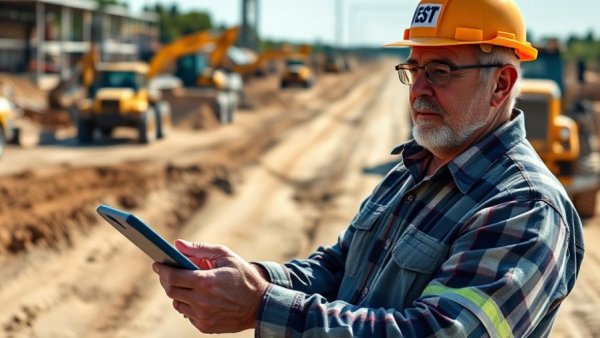
AI in construction: Worker using tablet at muddy site

Understanding AI in Construction: Five Key Questions Before You Invest

In the rapidly evolving landscape of construction technology, AI is moving beyond pilot projects to become a vital element of jobsite management by 2026. Today, AI assistants can respond to inquiries and take proactive measures on behalf of contractors. This shift in dynamics promises numerous benefits, such as quicker bids, reduced errors in financial logs, and streamlined reporting. However, with these advantages come challenges, especially as AI tools begin to influence a company’s financial decisions. Thus, asking the right questions before committing to AI technology is not merely advisable—it’s essential.

1. What Is the Quality of Your Data?

A fundamental concern with AI implementation is the quality of structured operational data feeding into the system. Recognizing this, a survey conducted in 2025 by the Royal Institution of Chartered Surveyors revealed that a staggering number of construction professionals see data quality as a significant roadblock to AI adoption. It's vital to ensure that your AI tool is trained on rich, comprehensive data. Think of it as a foundation—poor data leads to subpar AI outputs, no matter how polished the interface may be.

2. Can You Verify and Modify AI Outputs?

One of the most critical elements in AI adoption is traceability. If an AI tool makes a mistake, that error can cascade through multiple documents and processes, from bids to invoices to payrolls. It’s essential to ascertain if the AI provides transparency in its workings. Does it allow a human user to review decisions, override actions, or correct errors? If the response is simply to 'trust the output,' that should raise red flags.

3. Does the AI Integrate Your Workflows?

Many AI tools excel at performing specific tasks, such as generating takeoffs or managing dispatches. However, if they don't integrate seamlessly with other vital processes like job costing and scheduling, they create new silos rather than eliminating them. Ask how the tool connects with existing software and whether it facilitates smooth transitions between tasks. Any requirement for manual data re-entry undermines efficiency.

4. Can It Handle Complex Infrastructure Requirements?

While generic AI models might skillfully interpret spec sheets, they often falter when faced with complex civil engineering demands. Understanding localized cost variables, equipment operating costs, and wage considerations involves deep industry knowledge. It's crucial to ensure the AI tool has the capability to process these complexities, or else risk oversights that could drastically affect project profitability.

5. Does It Augment Human Expertise?

The best AI solutions should aim to enhance the decision-making capabilities of your team rather than attempt to replace them. Effective tools take a user far along the path to completion but leave critical judgments—such as pricing strategy—up to the human experts. As AI evolves, maintaining that human oversight will be increasingly important.

Conclusion: Making Informed Decisions

As you navigate the AI landscape in construction, remember that responsible adoption hinges on more than just shiny features. Verify that your data is up to par, question the AI's transparency, ensure that it integrates with your workflows, and assess its ability to handle industry-specific complexities. Most notably, select tools that enhance rather than replace team expertise. And don’t forget to consider vendor support when problems arise; quality customer service can be invaluable in ensuring seamless operations. Invest wisely in AI, and it could become a game-changing asset in your construction endeavors.

Technology & Software

6 Views

0 Comments

Write A Comment

*
*
Please complete the captcha to submit your comment.
Related Posts All Posts
11.13.2026

How BSIS and MOIS Transform Road Safety for Heavy Vehicles

Update Understanding BSIS and MOIS: Changing the Landscape of Heavy Vehicle Safety In the ever-evolving world of heavy vehicle safety, the introduction of advanced systems like the Blind Spot Information System (BSIS) and the Moving Off Information System (MOIS) represents a significant leap forward. These technologies are not just regulatory requirements; they embody a commitment to enhancing road safety for vulnerable users like pedestrians and cyclists. What Are BSIS and MOIS? BSIS, covered under UN Regulation 151, is designed to monitor the nearside blind spot of heavy vehicles such as trucks and buses, alerting drivers when pedestrians or cyclists are present. On the other hand, MOIS, as per UN Regulation 159, focuses on the critical area in front of the vehicle during low-speed maneuvers, notifying drivers of potential hazards as they move off from a stationary position. The key distinction is that both systems provide warnings to drivers rather than taking control of the vehicle, empowering operators to make informed decisions. The Role of Regulations: A Safety Perspective The European Union has taken strides in mandating BSIS and MOIS through its General Safety Regulation (EU Regulation 2019/2144). This law applies to new heavy vehicles in categories M2, M3, N2, and N3, ensuring that these safety measures are part of standard vehicle specifications starting from July 2024. Citizens, especially in metropolitan areas like London, will benefit from a notable decrease in road traffic accidents thanks to these innovations. Evidence of Effectiveness: A Glimpse at the Statistics Data from Transport for London illustrates the positive impact of implementing advanced safety measures. The average number of pedestrians and cyclists killed or seriously injured by vehicles over 12 tonnes decreased from 71 per year in the years 2017 to 2019 to just 35 in 2024. This remarkable 50% reduction is directly attributable to the Direct Vision Standard and related safety initiatives, including BSIS and MOIS. Beyond Urban Roads: The Impact on Construction and Industrial Sites While BSIS and MOIS are mandatory for heavy road vehicles, similar technologies can be applied to construction and industrial machines like forklifts and excavators, which often operate in high-risk environments. Implementing vehicle management systems that can detect individuals in blind spots can create safer worksites and significantly reduce accident risks. Future Implications: Trends Toward Safer Vehicles The UN regulations pave the way for not only safer vehicles on the road but also inspire future innovations in automotive technology. As we witness the development of intelligent systems that recognize hazards and communicate them effectively, the construction industry is likely to adopt these technologies more rapidly, ensuring a safe working environment and promoting efficient project timelines. Rethinking Responsibilities: The Role of Fleet Management As safety requirements evolve, project control managers, cost engineers, and risk managers must lead efforts in integrating BSIS and MOIS into their fleet management practices. Take proactive approaches in ensuring compliance by investing in the latest vehicle technologies and educating staff on safety protocols to utilize these systems to their fullest potential. Take Action: Join the Movement for Safer Roads As members of the construction and transportation sectors, staying updated on regulatory changes and best practices is crucial. Consider advocating for BSIS and MOIS within your organization to enhance safety on the job, save lives, and comply with your legal obligations. Together, we can pave the way to safer roads and construction sites for everyone.

11.13.2026

Mycon's New CIO Focuses on Cybersecurity and AI: What It Means for Construction

Update A Major Shift in Construction Leadership: Embracing Technology Mycon General Contractors has recently appointed Michael Shepherd as its new Chief Information Officer (CIO), marking a significant shift in the construction landscape. As enterprises prepare for technological advancements by 2027, Shepherd's role is poised to influence how construction firms approach integrated technology, especially in cybersecurity and artificial intelligence (AI). This move not only signifies a commitment to technological progress but also highlights the importance of adapting to an evolving industry landscape. Why Cybersecurity is Essential for the Modern Contractor One of Shepherd’s primary focus areas will be cybersecurity, a crucial concern in today’s construction environment. Major contractors, including Turner Construction and Kiewit, have fallen victim to cyberattacks that have caused financial losses and disrupted projects. By making cybersecurity a centerpiece of Mycon’s strategy, the firm aims to safeguard its projects and data against these escalating risks. Cyberattacks have become a reality for many businesses, affecting not just their operational capabilities but also their reputations and stakeholder trust. In response to this trend, the Associated Builders and Contractors have begun crafting roadmaps to provide a framework for defense against cyber threats, particularly for contractors involved in sensitive areas like the Department of Defense. These measures are designed to help firms implement safeguards and training to bolster their defenses against potential intrusions. As cyber threats continue to evolve, the proactive steps taken by organizations will play a crucial role in their success and resilience. AI: Transforming Construction Practices In addition to cybersecurity, Shepherd will delve into the promising realm of AI. The construction industry is already witnessing a revolution, with contractors rapidly adopting AI to enhance workflows in design and modeling. Builders are finding novel ways to streamline operations and improve construction feasibility assessments. AI technologies can predict project outcomes, optimize supply chains, and even enhance safety protocols on job sites. Shepherd’s vision is to harness data to optimize Mycon’s operations, ensuring teams have unfettered access to innovative tools that enhance productivity. He aims to implement AI that allows for real-time data analytics, helping project teams make faster and more informed decisions. This shift towards data-driven decision-making not only increases efficiency but can also significantly reduce project costs and timelines, building a competitive edge within the market. A Shift in the C-Suite: The Role of Technology Experts Shepherd’s appointment reflects a broader trend in the contracting world, where tech roles are gaining prominence in the C-suite. Executives across the industry are starting to recognize the competitive advantage that comes with integrating technology oversight into leadership teams. For instance, STV has recently appointed its first Chief Technology Officer, while Clayco's Jeff Miller has taken the reins as CIO, underlining the industry’s commitment to integrating technology at the highest levels of decision-making. As construction becomes more technology-driven, the role of technology experts in executive positions is becoming increasingly vital. This trend signifies that technology is not merely an operational tool but a strategic asset critical to the long-term success of contractors. Firms are beginning to understand that embracing new technologies can lead to improved project outcomes, enhanced safety measures, and better overall management of resources. Looking Forward: Opportunities and Challenges Ahead As Shepherd steps into his role, he faces both opportunities and challenges. The construction industry is at a critical juncture, with potential for tremendous growth through technological adoption. However, this also brings risks, notably in managing the security of complex digital infrastructures. The interplay between AI advancements and cybersecurity not only enhances operational efficiencies but also raises the stakes for securing sensitive information. Moreover, as the construction sector moves towards increasing automation and digitalization, workforce training will become essential. Ensuring that all team members are adept at using these new technologies will be key to leveraging their full potential. This provides an opportunity for companies like Mycon to create robust training programs, equipping employees with the necessary skills while fostering innovation within organizational culture. Conclusion: Embracing Change for Success For Mycon and the broader construction industry, the integration of roles like Shepherd’s indicates a promising shift towards embracing technology as a core component of growth and success. As organizations navigate this new landscape, they must prioritize both cybersecurity measures and innovative technology solutions to remain competitive in an increasingly digital world. The future of construction lies not only in the physical structures being built but also in the digital frameworks that support them, making technology leadership more crucial than ever.

11.11.2026

Ensuring Safety: How Can Ports Monitor Dynamic Exclusion Zones Around Cranes?

Update What Is Crane Exclusion Zone Monitoring and Its Importance? Crane exclusion zone monitoring is a critical safety measure in busy port environments, aiming to protect workers and assets from the risks posed by heavy machinery like ship-to-shore (STS) and rubber-tyred gantry (RTG) cranes. Unlike fixed zones, which can restrict access with permanent boundaries, dynamic exclusion zones adapt to the movements of cranes and their loads, providing real-time awareness of potential hazards. This adaptability is paramount, especially in the wake of reports such as the tragic accident on September 22, 2026, at Singapore's Tuas Port, where two workers lost their lives after falling into the sea during stevedoring, highlighting the need for effective monitoring systems. Dynamic Exclusion Zone Monitoring: How It Works Dynamic exclusion zone monitoring employs advanced technologies such as AI-driven video analytics and real-time tracking systems. These technologies continuously assess the spatial relationship between cranes, their loads, and personnel nearby, dynamically adjusting the exclusion zones as operations unfold. For instance, if a crane is moving a suspended load overhead, the exclusion zone shifts with it, helping to identify and flag any unauthorized or unsafe personnel in real time. This system not only enhances safety by preventing access to dangerous areas but also mitigates the risks associated with human error and miscommunication on busy work sites. The Role of AI in Monitoring Exclusion Zones Artificial Intelligence (AI) has revolutionized the way exclusion zones are monitored. AI-driven video analytics systems can detect whether workers are standing in hazardous areas under suspended loads or moving machinery. Alerts are raised within seconds, allowing for quick interventions that can prevent accidents. These systems can analyze live footage to monitor the behavior of workers and identify patterns that might signal careless behavior or potential rule violations. As ports become increasingly digitized, the integration of AI in safety protocols will not only enhance worker safety but may also streamline operations and reduce downtime. Challenges of Traditional Fixed Boundaries Traditional fixed boundaries, while useful, have serious limitations when it comes to growing operational complexities. They are incapable of adapting to the high-speed dynamics of modern crane operations. For example, if a worker is seen safely outside the marked area, they could suddenly find themselves in danger as the crane moves. These zones fail to provide the critical situational awareness central to ensuring worker safety during container lifts and equipment interactions. Hence, moving towards dynamic monitoring solutions is essential in addressing these shortcomings. Statistics Highlighting the Need for Improved Monitoring Solutions According to recent statistics, the number of workplace fatalities in stevedoring at ports has risen, with the transport and storage sectors reporting the highest rates. In the first half of 2026 alone, workplace deaths rose to 21 from 18 in the previous year. These digits signal an urgent need for enhanced monitoring systems that can adapt to the evolving risks presented within busy port environments. The effectiveness of these systems could be the difference between maintaining a safe working environment and risking lives and operational integrity. Best Practices for Crane Exclusion Zone Monitoring As ports look to implement monitoring systems, several best practices can guide decision-makers. Firstly, it’s important to assess credible vendors that specialize in AI and safety analytics. Potential systems should be capable of integrating with existing crane operations and be user-friendly to ensure worker compliance. Regular training sessions for personnel on the new systems are also vital in fostering a culture of safety. Lastly, regular reviews and updates of the safety protocols will ensure continuous improvements in monitoring efficiency and effectiveness. Future Insights: Towards Safer Ports through Technology The future of crane exclusion zone monitoring looks promising, with technology evolving rapidly to meet safety demands. As sensors become cheaper and more effective, further integration with Internet of Things (IoT) technology could pave the way for unprecedented levels of situational awareness, where every movement is tracked in real time across entire port operations. This potential will not only improve safety but could also lead to increased productivity as crane operations are optimized for safety and efficiency.

WorldPulse News

Write a small description of your business and the core features and benefits of your products.

COMPANY

  • Privacy Policy
  • Terms of Use
  • Advertise
  • Contact Us
  • Menu 5
  • Menu 6

864 535 6456

AVAILABLE FROM 8AM - 5PM

City, State

, ,

ABOUT US

Write a small description of your business and the core features and benefits of your products.

© 2026 CompanyName All Rights Reserved. Address . Contact Us . Terms of Service . Privacy Policy

Terms of Service

Privacy Policy

Core Modal Title

Sorry, no results found

You Might Find These Articles Interesting

T
Please Check Your Email
We Will Be Following Up Shortly
*
*
*